

MIRA - Microrobotics for real-world medical applications
Descripción
Medical microrobotics is uniquely appealing because it enables minimally invasive interventions, precise targeted delivery of therapeutics, enhanced imaging and diagnostics, and access to previously unreachable tissues or organs. These capabilities offer transformative opportunities to improve patient outcomes, reduce procedure-related risks, and redefine standard clinical care.
Building on these potential applications, this conference will bring together researchers, engineers, clinicians, and industry experts to explore the cutting-edge field of medical microrobotics and its translation into clinical practice. By fostering interdisciplinary dialogue among medical doctors, materials scientists, bioengineers, and specialists in micro- and nanobiotechnologies, the event aims to identify pressing medical challenges and showcase how robotic and cell-based microrobotic systems can provide innovative solutions.
The conference will also highlight the field’s evolution from in vitro studies to preclinical animal models, illustrating how technological advances have paved the way for early translational applications and the emergence of spin-off companies. These enterprises are actively working to secure the resources needed to advance toward first-in-human trials, underscoring the growing real-world impact of medical microrobotics.
Through invited lectures, panel discussions, and interactive sessions, participants will gain a comprehensive understanding of the scientific, technological, and clinical landscape, while building collaborations that bridge basic research, engineering, and patient-centered care. The event is designed to inspire innovation, promote translational research, and accelerate the adoption of microrobotic solutions that address critical medical needs.
IMPORTANT DATES
- Abstract submission period: 1 June 2026 - 1 July 2026
- Early Bird Registration period: 1 June 2026 - 10 August 2026
CONFIRMED SPEAKERS
- Li Zhang
- Salvador
- Simone
- Wei Gao
- Metin Sitti
- Daniel Ahmed
- Verónica
- Brad Nelson
- Jong-Oh Park
- Ambarish
- Samuel Sánchez
Objetivos
Key topics include:
- Translational Pathways: from in vitro studies to preclinical models, highlighting lessons from current clinical implementation of advanced therapies (gene editing, stem cells, immunotherapies).
- Technological Innovations: Advances in micro- and nanorobotics for medical interventions, diagnostics, and therapeutic delivery.
- Unique Functionalities of Medical Microrobotics: Advantages over existing delivery systems, particularly for life-threatening diseases or niche medical cases.
- Regulatory and Ethical Considerations: Challenges and strategies for first-in-human trials and clinical translation.
- Entrepreneurship and Commercialization: Emerging spin-offs, funding strategies, and pathways to market adoption.
- Collaborative Opportunities: Strengthening partnerships among academia, industry, and clinical stakeholders to accelerate innovation.
The conference will emphasize interactive discussions to connect technological development with actual clinical needs, ensuring that research efforts are aligned with patient-centric solutions.
Público objetivo al que está dirigida la actividad
- Profesionales
- Académico
Organiza

Directoras/es
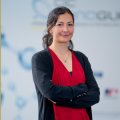
Mariana Medina Sánchez
CIC nanoGUNE
Dr. Mariana Medina Sánchez is a leading scientist in bioinspired medical microrobotics and advanced microsystems, currently serving as Ikerbasque Research Professor and Group Leader at CIC nanoGUNE in San Sebastián, Spain. Dr. Medina Sánchez earned the degree of Mechatronics Engineer at the University of San Buenaverntura (Bogotá, Colombia) and undertook master’s and PhD studies at the ICNN (Barcelona, Spain) to specialize on the development of nanomaterials-based and inkjet-printed electrochemical biosensors for disease diagnoses. She then joined the Leibniz Institute in Dresden (Germany), where contributed to the advancement of magnetically actuated microcarriers for immotile sperm transport and played a crucial role in developing ultrasensitive rolled-up microsensors for nucleic acid detection, promoting from a post-doctoral position to group leader. Recognized for her contributions, she secured the prestigious ERC Starting Grant for her project MicroGIFT.
Ponentes

Daniel Ahmed
Wei Gao
Ambarish Ghosh
IISc Bangalore
Veronica Iacovacci
Scuola Superiore Sant'Anna
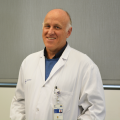
Ander Izeta Permisán
IIS Biogipuzkoa
El Dr. Ander Izeta es un biólogo celular e ingeniero de tejidos. Desde 2010 ha sido el Investigador Principal de un grupo consolidado en el Instituto de Investigación Sanitaria BioGipuzkoa y, desde 2024, Jefe del Área de Terapias Avanzadas y Medicina Personalizada. Además, es jefe de sección de la Unidad de Terapias Avanzadas en OSI Donostialdea, donde coordina los aspectos técnicos de la aplicación de terapias celulares CAR-T en Osakidetza, el Servicio Vasco de Salud. Es un experto reconocido en células madre, medicina regenerativa e ingeniería de tejidos, con más de 20 años de experiencia aplicados principalmente a la piel y el músculo.
Bradley Nelson
ETH Zurich
Salvador Pané Vidal
ETH Zurich
Samuel Sánchez Ordoñez
IBEC
Simone Schuerle
ETH Zurich
Metin Sitti
Prof. Dr.
Li Zhang
The Chinese University of Hong Kong
Precios matrícula
| Matrícula | Hasta 01-08-2026 | Hasta 02-10-2026 |
|---|---|---|
| 230,00 EUR | 340,00 EUR | |
| 320,00 EUR | 430,00 EUR | |
| - | 0 EUR | |
| - | 230,00 EUR | |
| - | 320,00 EUR | |
| - | 50,00 EUR | |
| - | 50,00 EUR |
Lugar
14 de octubre en Victoria Eugenia, 15 y 16 de octubre en Aquarium
Victoria Eugenia, República Argentina 2. 20004 Donostia / San Sebastián y Aquarium, Plaza de Carlos Blasco Imaz 1, 20003 Donostia/San Sebastián
Gipuzkoa
14 de octubre en Victoria Eugenia, 15 y 16 de octubre en Aquarium
Victoria Eugenia, República Argentina 2. 20004 Donostia / San Sebastián y Aquarium, Plaza de Carlos Blasco Imaz 1, 20003 Donostia/San Sebastián
Gipuzkoa
Otros cursos que te pueden interesar...

-

Presencial

-
Presencial

-
Presencial

-
Presencial

-
Presencial