

Adimen Artifiziala Hezkuntzan: kezkak eta formakuntza-beharrak
AA ikasgelan erabiltzea zein zentzutan izan daiteke onuragarria ikasleentzat eta irakasleentzat?
Galdera horri erantzutea garrantzitsua da, bestela, eskura ditugun AA tresnak erabiltzera mugatuko gara helburu pedagogiko argirik gabe.
Description
Adimen Artifizialaren (AA) booma ikasgeletara iritsi da. Azken ikerketek erakutsi dute irakaslegoak AAren etorrerarekin sortzen diren egoerei aurre egiteko zailtasunak dituela, batez ere bi ikuspuntutatik: batetik, ikasleak ezagutza nahikorik gabe AAko aplikazioak erabiltzen ari dira eta irakasleak egoera horiek kudeatu beharrean aurkitzen dira. Bestetik, irakaslegoa bera ez dago nahiko prestatuta AA modu estrategikoan curriculumeko helburuetara egokituz erabiltzeko.
Horren aurrean, erantzun azkarrik ez dagoenez, ikasgelan eman daitezkeen egoera desberdinak planteatuz egingo da lan. Egoera bakoitzak eskatzen duen hausnarketa bideratuko da estrategia posibleak aztertzeko. Horrela, irakasleak bere buruarengan konfiantza irabaztea eta ikasgelan erosoago sentitzea lortu nahi da. Guzti horretan, beharrezkoa da Adimen Artifizialarekiko espiritu kritikoa lantzea, arriskuak identifikatzeko eta erabilera onak bultzatzeko.
Euskal Herriko Unibertsitateko Informatika Fakultateak 50 urte bete dituela ospatzeko antolatutako ekintzen parte da Uda Ikastaro hau. Zehazki, ONDARE (ONgizaterako aDimen ArtifizialaRen Ekarpenak) taldearen ekimenetik sortu da. Bertan, EHUko arlo desberdinetako kideak batzen dira AAren ikuspegi sozialaren inguruan lan egiteko. Halaber, Berritzegune Nagusiko Digitalizazioaren eta berrikuntza teknologiko-pedagogikoaren arloko kideen laguntzarekin antolatu da ikastaro hau.
Ikastaroak lau zati izango ditu.
- Lehenengoan, hitzaldi sorta bat izango da. Hasteko, hitzaldi nagusian, AAren etorrerak Hezkuntzan sortu dituen kezkak eta arazoak azalduko dira. Ondoren, hitzaldi motzen bidez, AAren oinarriak, irakasleek dituzten formakutza-beharrak eta etorkizuneko irakasleak jasotzen ari diren formakutza aurkeztuko dira. Horrela, parte hartzaileak testuinguruan kokatuko dira.
- Bigarrengoan, ikasgelan aurrera eramandako kasu erreal batzuk aurkeztuko dira. Bertan, irakasleek gelan AAren erabileraren inguruan izan dituzten esperientziak aurkeztuko dituzte; ikas-egoeretan aurki daitezkeen egoera anitzen adibide izango dira.
- Hirugarrengoan, talde dinamikak erabiliko dira. Arloko espezialistek gidatuta, ikasgelan eman daitezkeen egoera desberdinak planteatuko dira hausnarketarako. Hortik, partehartzaile guztien artean, soluziobideak proposatuko dira. Talde dinamiketan ateratako kezkak eta ondorioak mahai-inguru baten bidez partekatuko dira.
- Laugarrengoan, AA Hezkuntzan erabiltzeko hainbat gomendio eta praktika on aipatuko dira.
Azken ondorioekin, jardunaldiari amaiera emango zaio.
Objectives
Adimen Artifizialaren agerpenak hezkuntzan sortutako eragina aztertu eta horren aurrean hausnarketa sustatu.
Ikasleek egiten duten AAren erabileraren inguruko hausnarketa egitea. Beraien ikaskuntza-prozesuan onuragarriak diren erabilera motak identifikatzea eta erabilera kritikoa bultzatzeko estrategiak aztertzea.
Irakaslearen jardunerako lagungarriak izan daitezkeen AAren erabilerak aztertzea.
Activity directed to
- University student
- Teachers
Program
02-07-2026
Registration
Presentation by the Director of the activity
Language: Basque
- Ana Zelaia Jauregi | Informatika Fakultatea, UPV/EHU - Irakasle eta ikertzailea
“IA y Educación: ¿y ahora qué?“
Language: Spanish
- Carlos Magro Mazo | Asociación Educación Abierta - Lehendakaria / Presidente
“Adimen Artifizialaren agerpena Derrigorrezko Hezkuntzan“
Language: Basque
Haur eta nerabeen AAren erabilera eta esperientziak EU kids Online 2026 ikerketa europarraren emaitzak
- Nekane Larrañaga Aizpuru | Hezkuntza, Filosofia eta Antropologia Fakultatea, UPV/EHU - Irakasle eta ikertzailea
- Maialen Garmendia Larrañaga | Hezkuntza, Filosofia eta Antropologia Fakultatea, UPV/EHU - Irakasle eta ikertzailea
Irakasleek hautemandako AAren onurak, mugak eta ikasgelan bere erabilera kritikoa egiteko trebakuntza beharrak
- Nahia Delgado de Frutos | Hezkuntza, Filosofia eta Antropologia Fakultatea, UPV/EHU - Irakasle eta ikertzailea
Adimen Artifiziala Hezkuntzan modu arduratsuan txertatzeko 10 gako
- Jon Martin Etxebeste | Hezkuntza, Filosofia eta Antropologia Fakultatea, UPV/EHU - Irakasle eta ikertzailea
Break
“Ikasgelan aurrera eramandako esperientziak“
Language: Basque
- Ane Lizeaga Zabalegi | Berritzegune nagusia - Digitalizazioaren eta berrikuntza teknologiko-pedagogiko arloko aholkularia
- Javier Echeverria Manterola | TXINGUDI BHI - Irakaslea
Participative dynamics: “Kasu praktikoak ikasgelan: sortzen diren egoeren aurrean, irakasleak erabil ditzakeen estrategien hausnarketa“
Language: Basque
- Naiara Aginako Bengoa | Informatika Fakultatea, UPV/EHU - Iraskale eta ikertzailea (Moderator)
- Ana Zelaia Jauregi | Informatika Fakultatea, UPV/EHU - Irakasle eta ikertzailea (Dinamizator)
- Itziar Irigoien Garbizu | Informatika Fakultatea, UPV/EHU - Irakasle eta ikertzailea (Dinamizator)
- Nekane Larrañaga Aizpuru | Hezkuntza, Filosofia eta Antropologia Fakultatea, UPV/EHU - Irakasle eta ikertzailea (Dinamizator)
- Maialen Garmendia Larrañaga | Hezkuntza, Filosofia eta Antropologia Fakultatea, UPV/EHU - Irakasle eta ikertzailea (Dinamizator)
- Cristina Etxeandia Azpiazu | Berritzegune Nagusia - Digitalizazioaren eta berrikuntza teknologiko-pedagogiko arloko arduraduna (Dinamizator)
- Ainhoa Juan Goikoetxea | Berritzegune Nagusia - Digitalizazioaren eta berrikuntza teknologiko-pedagogiko arloko aholkularia (Dinamizator)
Round table: “Kasu praktikoen bateratzea “
Language: Basque
- Itziar Irigoien Garbizu | Informatika Fakultatea, UPV/EHU - Irakasle eta ikertzailea (Moderator)
- Nekane Larrañaga Aizpuru | Hezkuntza, Filosofia eta Antropologia Fakultatea, UPV/EHU - Irakasle eta ikertzailea
- Nahia Delgado de Frutos | Hezkuntza, Filosofia eta Antropologia Fakultatea, UPV/EHU - Irakasle eta ikertzailea
- Cristina Etxeandia Azpiazu | Berritzegune Nagusia - Digitalizazioaren eta berrikuntza teknologiko-pedagogiko arloko arduraduna
- Jon Martin Etxebeste | Hezkuntza, Filosofia eta Antropologia Fakultatea, UPV/EHU - Irakasle eta ikertzailea
“Gomendioak eta praktika onak “
Language: Basque
- Jon Aristondo Echeberria | Berritzegune Nagusia - Digitalizazioaren eta berrikuntza teknologiko-pedagogiko arloko aholkularia
“Ondorioak eta itxiera“Closing session
Language: Basque
- Ana Zelaia Jauregi | Informatika Fakultatea, UPV/EHU - Irakasle eta ikertzailea
Directors
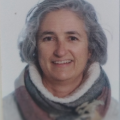
Ana Zelaia Jauregi
UPV/EHU, Docente
Licenciada y doctora en Informática por la Universidad del Pais Vasco (UPV/EHU), es desde 1995 profesora en el departamento de Ciencia de la Computación e Inteligencia Artificial (CCIA) en la Facultad de Informática. Ha ocupado el cargo de secretaria académica de la Facultad y del Departamento durante varios años y actualmente es miembro de la Junta de Facultad y de la Comisión de Igualdad. Imparte asignaturas relacionadas con los fundamentos matemáticos de la informática , ha participado en la creación de material docente en euskera e impulsa el proyecto EHU-Wikipedia en la Facultad, promoviendo la participación del alumnado en la creación y mejora de artículos sobre tecnología y matemática en euskera. Es miembro del grupo e-makumeak (para visibilizar la presencia femenina en el ámbito de las STEM) y de la iniciativa ONDARE (Inteligencia Artificial para el beneficio de la sociedad) que se ha puesto en marcha en la Facultad de Informática.
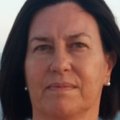
Nekane Larrañaga Aizpuru
UPV/EHU
She is PhD. in Sociology and Lecturer of Sociology at the University of the Basque Country (UPV/EHU). She has participated in several research projects on Identity, Cultural and linguistic diversity and Intercultural relations. She is member of the European research network EU Kids Online since 2017. She has participated in: SIC-Spain (Safer Internet Center) Children on the Internet and Education in a digital age. In CO:RE evidence and research about children online, and REMEDIS media and digital literacy. She currently participates in EUKO V and Eukids-AI 2026 research on the digital and AI experiences of children and adolescents. https://orcid.org/0000-0002-8062-3544 nekane.larranaga@ehu.eus
Speakers

Naiara Aginako Bengoa graduated in Telecommunications Engineering (UPV/EHU, 2005) and holds a PhD in Computer Engineering (UPV/EHU, 2017). She is currently an associate professor in the area of Computer Science and Artificial Intelligence (Faculty of Computer Science, Donostia, UPV/EHU). She has participated in more than 25 research projects at the regional, national, and European levels. Her research focuses primarily on Artificial Intelligence, specifically the application of Data Mining, Deep Learning, and Computer Vision techniques in various fields. As a result of this work, she has published more than 20 articles in high-impact journals and currently holds two European patents. She is involved in the ONDARE initiative, which promotes Artificial Intelligence for the Benefit of Society, launched at the Faculty of Computer Science (UPV/EHU).

Jon Aristondo Echeberria
Ingeniero en Informática (UPV/EHU) obtuvo el Máster Universitario en Ingeniería Computacional y Sistemas Inteligentes (UPV/EHU). Asimismo, cursó el Máster Universitario en Formación del Profesorado en Educación Secundaria Obligatoria, Bachillerato, Formación Profesional y Enseñanza de Idiomas (UNIR). Desde 2010 trabaja como docente en las áreas de matemáticas y TIC. En este recorrido, ha sido tanto profesor como responsable de TIC, potenciando el desarrollo de competencias digitales en entornos educativos. Desde 2024 hasta la actualidad trabaja como asesor del Berritzegune, especialmente en el ámbito de la inteligencia artificial y la innovación tecnopedagógica, en iniciativas para el desarrollo de las competencias digitales del profesorado y la integración efectiva de la IA en la educación.

Nahia Delgado de Frutos
Globernance
Es Doctora Cum Laude en Psicodidáctica por la Universidad del País Vasco, donde se especializó en la elaboración de materiales didácticos y en la aplicación de metodologías adecuadas a través de las TIC. Graduada con excelencia en Educación Primaria (UPV/EHU) con mención en Inglés. Cuenta con un Máster Oficial en Desarrollo y Gestión de Proyectos de Innovación Didáctico-Metodológica en Instituciones Educativas por la Universidad de Mondragón. Su experiencia profesional incluye la docencia en la Facultad de Filosofía y Antropología de la UPV/EHU. Actualmente es profesora adjunta en la Universidad del País Vasco en el Departamento de Didáctica y Organización Escolar. Ha participado activamente en proyectos de investigación junto a Globernance y la Diputación Foral de Gipuzkoa durante los últimos 5 años. Ha publicado artículos de investigación de alto impacto, abordando temas como la competencia digital, las actitudes hacia la IA, las herramientas para la convivencia y la creación de materiales digitales de aprendizaje.
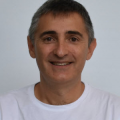
Javier Echeverria Manterola
Es profesor superior de música en la especialidad de clarinete (Conservatorio Superior de Música de San Sebastián). De 1995 a 2008 ha sido profesor de clarinete en varias escuelas de música de Nafarroa y Gipuzkoa. Ha sido director de la Escuela Municipal de Música de Lesaka de 1999 a 2008. Ha realizado diversos cursos sobre nuevas tecnologías aplicadas a la didáctica (Moodle educator certificate, Google certified educator - niveles 1 y 2, y otros ofertados por el programa Berritzegune y Prest Gara). Es funcionario de carrera de secundaria desde 2008. Ha sido jefe de estudios del IES Iturrama de Pamplona de 2010 a 2017 y profesor de música en el IES Txingudi de Irun a partir de 2017. Ha sido responsable de programas de formación en Educación en Red y TIC durante 6 años en el IES Txingudi. Desde 2023-24 es responsable de Innovación Educativa del Centro (BeA).

Es diplomada en Magisterio musical (UPV/EHU, 2001), graduada en EducacIón Primaria (UCAM, 2026) y cursó el Máster en Tecnología Educativa y Competencias Digitales (Universidad Europea de Valencia, 2025). Desde 2002 ha trabajado como maestra de música, inglés y educación primaria tanto en centros públicos como concertados. Desde 2009 está inmersa en la formación continua en TIC. Es funcionaria de carrera en Educación Primaria desde 2015 y responsable y dinamizadora de las TIC en varios centros de educación. En este sentido, ha participado en varias jornadas presentando experiencias de diferentes escuelas. Desde 2021 es consultora de Digitalización e Innovación Tecnopedagógica en Berritzegune Nagusi/HeziLab, principalmente en el diseño, coordinación y gestión de diversas formaciones sobre competencias digitales del profesorado y tecnopedagogía. Desde 2025 es coordinadora del marco de Digitalización e Innovación Tecnopedagógica.
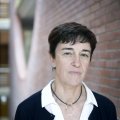
Maialen Garmendia Larrañaga
UPV/EHU
Bachelor Degree (1988) and Ph. D (1996) in Political Science and Sociology at Deusto University. Lecturer at the Social Work and Sociology Dept. of the University of the Basque Country (UPV/EHU) since 1990, Senior Lecturer since 2000. Vice dean at the Social and Communication Sciences Faculty (2006-2010). Since 2010 at the Education, Philosophy and Anthropology Faculty. Since 2006 member of the Spanish team of the European research network EU Kids Online, and has lead the team since 2009 (awarded as an A group by the Basque university system). She also lead the Spanish team for the Net Children Go Mobile project (2013-2015). She has also taken part in twenty I+D projects funded by different public bodies through competitive calls such as the European Commission, the Spanish Ministry of Economy, the Basque Government and the University of the Basque Country (UPV/EHU) and ten contracts with other institutions such as UNICEF, Emakunde –Basque Institute for Women-, and the Town Halls of Bilbao and Vitoria, among others. Visiting Scholar at the Communication Dept. at Stanford University and the University of Edinburgh. Cooperates with Red.es, FECYT and INCIBE (National Institue for cibersecurity).
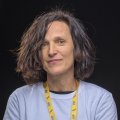
Itziar Irigoien Garbizu
University of the Basque Country (UPV/EHU), Associate Professor
She received her PhD in Computer Sciences in 2008 at the University of the Basque Country (UPV/EHU). She is currently an associate professor in the CSAI Department at the University of the Basque Country since 2011. She is member of the research group RSAIT which works in in the area of mobile robotics, where statistical and machine learning techniques are applied in order to increase the degree of autonomy of our robots. Her research interests also include the development of new statistical methods to solve bioinformatics and biomedical questions, particularly focusing on distances based data analysis techniques. The publications include journals indexed by the Journal Citation Report (JCR). She participates regularly in relevant conferences in the field. She participates in the ONDARE initiative, artificial intelligence for the benefit of society; an initiative launched at the Faculty of Informatics.

Ainhoa Juan Goikoetxea
Es diplomada en Magisterio de Lengua Extranjera por la Universidad del País Vasco (UPV/EHU) y graduada en Educación Primaria y Educación Infantil por la Universidad Camilo José Cela de Madrid. Completó su formación académica con el Máster de Psicodidáctica de la UPV/EHU en 2015: Psicología de la Educación y Didácticas Específicas. En 2015 participó como ponente en el congreso europeo de InSEA en Lisboa, donde presentó la comunicación “Una oportunidad para detener el tiempo en el proceso” de la mano del grupo de investigación Elkarrikertuz. Ha participado en publicaciones y comunicaciones centradas en la educación, la identidad digital, el rol del profesorado de educación infantil y la innovación pedagógica. Desde 2016 es maestra de Educación Infantil y especialista en Inglés en diferentes centros públicos de la CAV. En 2021 fue Asesora de Educación Infantil y Primaria en el Berritzegune de Zarautz, y desde 2022 es asesora del ámbito de la digitalización e innovación tecnopedagógica en el Berritzegune Nagusia.
Nekane Larrañaga Aizpuru
UPV/EHU
She is PhD. in Sociology and Lecturer of Sociology at the University of the Basque Country (UPV/EHU). She has participated in several research projects on Identity, Cultural and linguistic diversity and Intercultural relations. She is member of the European research network EU Kids Online since 2017. She has participated in: SIC-Spain (Safer Internet Center) Children on the Internet and Education in a digital age. In CO:RE evidence and research about children online, and REMEDIS media and digital literacy. She currently participates in EUKO V and Eukids-AI 2026 research on the digital and AI experiences of children and adolescents. https://orcid.org/0000-0002-8062-3544 nekane.larranaga@ehu.eus

Ane Lizeaga Zabalegi
Ingeniera Técnica en Electrónica (EHU-UPV, 2008), cursó también el Máster de Profesorado en Secundaria (UNIR, 2014). Comenzó a trabajar como responsable en el diseño de proyectos eléctricos y seguimiento de obras. En el mundo educativo comenzó en el año 2010 impartiendo clases en el ámbito científico-tecnológico y de formación profesional en la enseñanza secundaria. Además, ha sido responsable de calidad durante varios cursos. En el año 2018 se incorporó a la escuela pública como profesora de tecnología. Ha sido responsable de las TIC durante dos cursos y ha trabajado para promover la ciberconvivencia. En este sentido, también desde el punto de vista de la convivencia, ha participado en varias jornadas. Desde el año 2023 es asesora del Berritzegune Nagusia (hoy Hezilab) en el ámbito de la digitalización y la innovación tecno-pedagógica. Este curso se ha centrado especialmente en el Programa de formación ADI. El objetivo de este proyecto ha sido promover el pensamiento computacional, la programación y la robótica en los centros educativos. En la evaluación formativa ha participado en formaciones para analizar las posibilidades que la Inteligencia Artificial (IA) puede ofrecer.
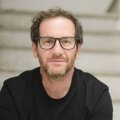
Carlos Magro Mazo
Carlos Magro (Madrid, 1969). Presidente de la Asociación Educación Abierta. Trabaja como profesional independiente en innovación, tecnología y políticas educativas. Coordina el programa educativo de la Institución Libre de Enseñanza (ILE) en Madrid y es el director de contenidos del Edtech Congress Barcelona. Es miembro del Consejo asesor de Cuadernos de Pedagogía, del colectivo DIME (Docentes para la Inclusión y la Mejora Educativa), del espacio de docentes innovadores AulaBlog y de la Asociación Espacios de Educación Superior. Ha sido director académico del Instituto Europeo de Diseño (IED España), director de innovación de EOI (Escuela de Organización Industrial ) y director de Comunicación, Marketing y Proyección Institucional de EOI, director de la Oficina de Información Científica de la Fundación madri+d y responsable del Programa de Cultura Científica de la Consejería de Educación de la Comunidad de Madrid. Es licenciado en Ciencias Físicas por la Universidad Complutense de Madrid (UCM) y en Filosofía y Letras, rama Geografía e Historia, por la Universidad Autónoma de Madrid (UAM). Su último libro es ‘IA y Educación. Una relación con costuras’, junto con Tíscar Lara en Trama Editorial (2025)
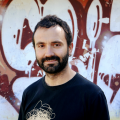
Jon Martin Etxebeste es un bertsolari que imparte clases en la Facultad de Educación de Leioa. Licenciado en Publicidad y Relaciones Públicas y graduado en Educación Infantil, ha trabajado en diversos medios de comunicación y ha sido profesor en varias escuelas. Tiene dos libros y tres discos publicados.
Ana Zelaia Jauregi
UPV/EHU, Docente
Licenciada y doctora en Informática por la Universidad del Pais Vasco (UPV/EHU), es desde 1995 profesora en el departamento de Ciencia de la Computación e Inteligencia Artificial (CCIA) en la Facultad de Informática. Ha ocupado el cargo de secretaria académica de la Facultad y del Departamento durante varios años y actualmente es miembro de la Junta de Facultad y de la Comisión de Igualdad. Imparte asignaturas relacionadas con los fundamentos matemáticos de la informática , ha participado en la creación de material docente en euskera e impulsa el proyecto EHU-Wikipedia en la Facultad, promoviendo la participación del alumnado en la creación y mejora de artículos sobre tecnología y matemática en euskera. Es miembro del grupo e-makumeak (para visibilizar la presencia femenina en el ámbito de las STEM) y de la iniciativa ONDARE (Inteligencia Artificial para el beneficio de la sociedad) que se ha puesto en marcha en la Facultad de Informática.
Registration fees
| Face-to-face | Until 30-06-2026 |
|---|---|
| 25,00 EUR |
Venue
Computer Science Faculty of the UPV/EHU
Paseo Manuel de Lardizabal, 1. 20018 Donostia-San Sebastián
Gipuzkoa
Computer Science Faculty of the UPV/EHU
Paseo Manuel de Lardizabal, 1. 20018 Donostia-San Sebastián
Gipuzkoa
Sustainable development goals
Agenda 2030 is the new international development agenda approved in September 2015 by the United Nations. This agenda aims to be an instrument to favour sustainable human development all over the planet, and its main pillars are the eradication of poverty, a reduction in equality and vulnerability and fostering sustainability. It is a unique opportunity to transform the world up to 2030 and guarantee human rights for all.

4 - Quality education
Guarantee quality education that is inclusive and equitable and foster opportunities for lifelong learning for everyone. Key issues: free-of-charge, equitable and quality education, access to higher education and training on an equal basis, education for sustainable development, suitable education centres for persons with disabilities, and safe, non-violent and efficient learning environments.
More information
9 - Industry, innovation and infrastructure
Build resilient infrastructures, promote inclusive and sustainable industrialisation and foster innovation. Key issues: reliable, sustainable, resilient and quality infrastructures, inclusive and sustainable industrialisation, modernisation, clean and environmentally rational industrial technologies and processes, scientific research and improvement of technological capabilities, universal access to ICTs.
More information
17 - Partnerships for the goals
Strengthen the means of implementation and revitalise the World Alliance for Sustainable Development. Key issues: mobilisation of resources, 0.7% of GDP for official overseas development aid, finances, cooperation in technology and innovation, ecologically rational technologies, skills building, universal and multilateral trade system, coherence on the legislative and institutional levels, availability of data, supervision, indicators and accountability.
More information
Other courses that might be of your interest...

-

Face-to-face

-
Face-to-face

-
Face-to-face
-
Face-to-face

-
Face-to-face