
Olatuaren enbatean: Emakumeak eta itsasoa XX. mendean
Description
“Olatuaren enbatean. Emakumeak eta Itsasoa XX. Mendean” is the title of this Summer Course, which aims to establish a forum for in-depth reflection on the role of women in maritime work. This approach will be taken from historical, economic, and social perspectives, with a strong focus on the future.
The fact that women have been involved in maritime work is nothing new, but the aim is to change the way this work is described by placing women at the center of the discussion. By including 50% of the population, the result is more complete and accurate.
We will ask the following questions: What role is currently being constructed for women in the sea in the 21st century? What challenges do these women face? These questions underpin the structure of this course, which aims to reflect on and show the way, already open, towards a more equal, supportive, and truthful future for the sea. It is not just a question of vindicating the work of women at sea, but of seeing what new challenges need to be addressed.
In addition, this Summer Course is part of a series of activities centered on the exhibition “Olatuaren enbatean. Emakumeak eta Itsasoa XX. mendean” (In the Sea's Embrace: Women and the Sea in the 20th Century), which has been on display at the Fisherman's Museum in Bermeo since November.
Objectives
Highlighting the work of women at sea as a collective and individual subject throughout the 20th century.
Deconstructing stereotypes of women of the sea using the tool of gender perspective.
Analyze women's occupations at sea in light of the new socioeconomic context of the 21st century.
Bringing the exhibition to students in schools in the region through informative guided tours.
This course is intertwined with SDG 5 (gender equality) and SDG 8 (linked to equal access to employment for men and women).
Activity directed to
- All public
- University student
- Students not from university
- Teachers
- Professionals
In collaboration with


Program
14-07-2026
Registration
Institutional Opening session. Speaking order:
Language: Basque
- Ixone Soroa Guenaga | Gobierno Vasco - Directora de Pesca y Acuicultura
- Idoia Otaegui Aizpurua | Fundación Cursos de Verano - Directora
- Leixuri Arrizabalaga Arruza | Departamento de Euskera, Cultura y Deporte - Diputada Foral
Presentation by the Director of the activity
- Asier Romero Andonegui | EHU - Profesor TitularLanguage: Basque
- Amaia Apraiz Sahagún | Ikusmira Ondarea - InvestigadoraLanguage: Spanish
“Gu bagara itsasoa“
Language: Basque
Simultaneous translation: Spanish
- Akaitze Kamiruaga Garitaonandia | Labayru Fundazioa - Labayru Fundazioaren zuzendaria
“Emakumeak Itsasoan: Aldaketaren Olatua / Las mujeres en la mar; la ola del cambio.“
- Ixone Soroa Guenaga | Gobierno Vasco - Directora de Pesca y AcuiculturaLanguage: Basque
Proyectos de la Red Española de Mujeres en el Sector Pesquero
- Maria Aurora De Blas Carbonero | Ministerio de Agricultura, Pesca y Alimentación - Directora de pescaLanguage: Spanish
Break
“Género, mar y memoria: desmontar los imaginarios y recuperar a las mujeres de la pesca catalana. Una perspectiva histórica y etnográfica“
Language: Spanish
- Eliseu Carbonell Camós | Universitat de Girona - Profesor
Synthesis
Break
Round table: “Mujeres y mar. Del siglo XX al siglo XXI. Cuestión de perspectiva“
Language: Spanish
- Amaia Apraiz Sahagún | Ikusmira ondarea - Investigadora (Moderator)
Coordinadora de la mesa redonda
- Ixone Soroa Guenaga | Gobierno Vasco - Directora de Pesca y Acuicultura
- Ekaitz Urtiaga Martinez | Itsas emakumeen Federazioa - Itsas emakumeen Federazioa
Proyecto del Gobierno Vasco en torno a la presencia de la mujer en el ámbito pesquero
- Rosa Isabel Rodriguez Vidal | Proyecto Enredadas de la Xunta Galicia - Profesional
Proyecto Enredadas de la Xunta Galicia
- Garazi Rodríguez Valle | APROMAR - Profesional
Papel de la mujer en acuicultura con la creación de NOWA
- Josefa Suárez Martín | Neskatilen elkartea - Profesional
Papel de las rederas de Bermeo en el siglo XXI
- Maria Aurora De Blas Carbonero | Ministerio de Agricultura, Pesca y Alimentación - Directora de pesca
Visita guiada en barco al estuario de Urdaibai
15-07-2026
“Y la idea se hizo exposición: El arte de comisariar el legado de las mujeres“
Language: Spanish
- Amaia Apraiz Sahagún | Ikusmira Ondarea - Investigadora
“Somos costeras: el papel de la mujer en el mundo de la pesca en Canarias“
Language: Spanish
- Gloria Esther Cabrera Socorro | Universidad de la Laguna - Profesora
Break
“Las mujeres del mar en Galicia frente al declive del sector pesquero“
Language: Spanish
- María de los Ángeles Piñeiro Antelo | Universidad de Santiago de Compostela - Profesora
“Bermeo Tuna World Capital: liderazgo femenino y sostenibilidad“
Language: Spanish
- Maitane Leizaola Zulueta | Bermeo Tuna World Capital. - Directora
Cierre del curso y Visita a la exposición 'Olatuaren enbatean. Emakumeak eta itsasoa XX. mendean’
Directors

Asier Romero holds a degree (1997) and Ph.D. (2005) in Hispanic Philology by the University of Deusto. He is professor since 2006 at the Faculty of Education of Bilbao (UPV/EHU). He has been Deputy Director of Practices of the University School of Teaching of Bilbao (2011-2013); coordinator of the Department of Language and Literature Didactics (2016-2018) and he is Dean of the Faculty of Education of Bilbao since 2018. He directs the EUDIA research group (group B of the Basque university system). He has directed a doctoral thesis, 34 TFG and 17 TFM. He has been a visiting professor at the Central University of Chile. He has participated in 8 research projects, being in two of them the main researcher. He is co-author of 75 scientific articles, 8 books and 18 book chapters; and he has about 50 contributions in national and international congresses. He has 2 six-year periods on research work recognized by the national committee for the assessment of the research action (CNEAI).

Amaia Apraiz Sahagún
Ikusmira Ondarea
Doctorate in Art History (University of the Basque Country UPV/EHU, 2005). She has been working in the field of industrial heritage since 1997. In 2005, she defended her thesis on the architecture of canneries in Bizkaia. She has written specific articles on industrial heritage in the Basque Country. She has collaborated in the revision and expansion of the Inventory of Industrial Heritage of the Basque Country (2005-2006) and in the Inventory of Industrial Landscapes of the Basque Autonomous Community. Member of the Basque Association of Industrial Heritage and Public Works. She is the author of numerous publications on industrial heritage, notably her contribution to the monograph on the industrial heritage of the Basque Country, published by the Basque Government's Department of Culture. She is also co-author of La fragilidad de un legado. Patrimonio Industrial en Navarra (The Fragility of a Legacy: Industrial Heritage in Navarre) (2019), published by the Department of Culture, Youth and Sport of the Government of Navarre. She is co-author of the White Paper on Cultural Heritage and Gender Perspective published by the Provincial Council of Bizkaia in 2021.
Speakers
Amaia Apraiz Sahagún
Ikusmira Ondarea
Doctorate in Art History (University of the Basque Country UPV/EHU, 2005). She has been working in the field of industrial heritage since 1997. In 2005, she defended her thesis on the architecture of canneries in Bizkaia. She has written specific articles on industrial heritage in the Basque Country. She has collaborated in the revision and expansion of the Inventory of Industrial Heritage of the Basque Country (2005-2006) and in the Inventory of Industrial Landscapes of the Basque Autonomous Community. Member of the Basque Association of Industrial Heritage and Public Works. She is the author of numerous publications on industrial heritage, notably her contribution to the monograph on the industrial heritage of the Basque Country, published by the Basque Government's Department of Culture. She is also co-author of La fragilidad de un legado. Patrimonio Industrial en Navarra (The Fragility of a Legacy: Industrial Heritage in Navarre) (2019), published by the Department of Culture, Youth and Sport of the Government of Navarre. She is co-author of the White Paper on Cultural Heritage and Gender Perspective published by the Provincial Council of Bizkaia in 2021.

Gloria Esther Cabrera Socorro
Es Profesora Contratada Doctora en el Departamento de Sociología y Antropología de la ULL. Su labor investigadora se centra en la antropología de la pesca, el análisis de género y la economía política, con especial énfasis en las comunidades costeras de Canarias, como la de La Graciosa.

Eliseu Carbonell Camós
Eliseu Carbonell (Barcelona, 1969) es doctor en Antropología Social por la Universidad de Barcelona (2003) y profesor de la Universidad de Girona desde el curso académico 2009-2010. Ha realizado estancias posdoctorales en las universidades de Oxford y Montreal y ha sido investigador visitante en las universidades de Ámsterdam y Laval, en Quebec. Fue investigador del Instituto Catalán de Investigación del Patrimonio Cultural entre 2008 y 2017. Ha impartido cursos y seminarios en diversas universidades de España, Francia, México, Chile y Etiopía. Es miembro de la Red Ibérica de Antropología Ambiental y miembro del Consejo de Etnología Catalana.

Maria Aurora De Blas Carbonero
María Aurora de Blas Carbonero es la actual Directora General de Ordenación Pesquera y Acuicultura en el Ministerio de Agricultura, Pesca y Alimentación de España. Licenciada en Veterinaria.

Akaitze Kamiruaga Garitaonandia
Labayru Fundazioa
Euskal Filologian lizentziaduna Deustuko Unibertsitatean, 1992an. 1995az geroztik, Labayru Fundazioan dabil, eta hainbat sailetan lan egin du: Hizkuntza, Lexikografia, Etnografia, Kultur Ondarea. Gaur egun, Kultura Ondarearen Saileko arduraduna eta Fundazioko zuzendariordea da. Labayru Fundazioak hainbat erakunderentzat egiten dituen proiektu askotan parte hartu du, euskarri ezberdinetan argitaratzen diren materialak landuz (liburuak, unitate didaktikoak, ikus-entzunezkoak, web-orriak). Zuzendari, koordinatzaile, sortzaile, erredaktore, diseinatzaile eta abar jardun du.

Maitane Leizaola Zulueta
Maitane Leizaola Zulueta Zuzenbide Juridiko-ekonomikoan lizentziaduna da Deustuko Unibertsitatean, eta 25 urte baino gehiagoko lan-esperientzia du, bai arlo pribatuan, bai publikoan. Abokatutzaren eta bankuen sektorean hasi zen lanean, eta azken urteotan hainbat kudeaketa-ardura izan ditu Bizkaiko Foru Aldundian, hainbat sailetako zuzendari nagusi gisa, eta proiektu estrategikoen eta kirolaren zinegotzi arduraduna izan da Bermeoko Udalean. Gaur egun Bermeo Tuna World Capitaleko zuzendari nagusia da.

María de los Ángeles Piñeiro Antelo
María de los Angeles Piñeiro Antelo es Profesora Ayudante Doctora en el Departamento de Geografía de la USC, ysecretaria del Instituto Universitario de Estudios y Desarrollo de Galicia (IDEGA).

Garazi Rodríguez Valle
Es miembro de la directiva de APROMAR. Bióloga con máster en Acuicultura y Pesca Sostenible. Gestora de proyectos de innovación, comunicación y comercialización; redactora de informes sectoriales y gestora de subvenciones.
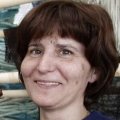
Rosa Isabel Rodriguez Vidal
Es miembro de la Asociación de Rederas Illa da Estrela de Corme.
Asier Romero holds a degree (1997) and Ph.D. (2005) in Hispanic Philology by the University of Deusto. He is professor since 2006 at the Faculty of Education of Bilbao (UPV/EHU). He has been Deputy Director of Practices of the University School of Teaching of Bilbao (2011-2013); coordinator of the Department of Language and Literature Didactics (2016-2018) and he is Dean of the Faculty of Education of Bilbao since 2018. He directs the EUDIA research group (group B of the Basque university system). He has directed a doctoral thesis, 34 TFG and 17 TFM. He has been a visiting professor at the Central University of Chile. He has participated in 8 research projects, being in two of them the main researcher. He is co-author of 75 scientific articles, 8 books and 18 book chapters; and he has about 50 contributions in national and international congresses. He has 2 six-year periods on research work recognized by the national committee for the assessment of the research action (CNEAI).
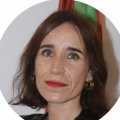
Ixone Soroa Guenaga
Bilbao Ekintza
Directora de Pesca y Acuicultura (Eusko Jaurlaritza). Técnica de Captación de Inversiones del Ayuntamiento de Bilbao

Josefa Suárez Martín
Es miembro de la Asociación de neskatilas y rederas de Bermeo

Ekaitz Urtiaga Martinez
Itsas Garapen Elkartea
Ekaitz Urtiaga Martinez. Licendiado en Adminisitración y Dirección de Empresas por la UPV-EHU. Desde 2018 su trabajo, tanto en hazi como en el Grupo de acción local Pesquero y Acuícola Itsas Garapen Elkartea Flag ha estado vinculado al desarrollo local y en concreto a la gestión de los fondos europeos provenientes del programa FEMP y posteriormente del FEMPA al amparo de las diferentes Estrategias de Desarrollo Local Participativo para el desarrollo sostenible de las zonas pesqueras en Euskadi. En la actualidad ostenta el cargo de responsable técnico de Itsas Garapen Elkartea.
Registration fees
| Face-to-face | Until 14-07-2026 |
|---|---|
| 25,00 EUR | |
| 25,00 EUR |
| Live online | Until 14-07-2026 |
|---|---|
| 25,00 EUR | |
| 25,00 EUR |
Venue
Bizkaia
Sustainable development goals
Agenda 2030 is the new international development agenda approved in September 2015 by the United Nations. This agenda aims to be an instrument to favour sustainable human development all over the planet, and its main pillars are the eradication of poverty, a reduction in equality and vulnerability and fostering sustainability. It is a unique opportunity to transform the world up to 2030 and guarantee human rights for all.

5 - Gender equality
Achieve gender equality and empower all women and young girls. Key issues: the end of all forms of discrimination and violence, recognition of unpaid care and domestic work, shared responsibility, equal opportunities, full and effective participation in reproductive rights, equal rights vis-à-vis economic resources, access to land and other assets and ownership.
More information
Other courses that might be of your interest...

-

Face-to-face

-
Face-to-face

-
Face-to-face