

Voluntariado Sostenible: Claves para Transformar el Futuro desde Euskadi
Description
The year 2026 has been declared by the United Nations General Assembly as the International Year of Volunteers for Sustainable Development (IVY 2026). This designation seeks to highlight the contribution of volunteers in promoting sustainable development and recognises the role they play in building a more just and sustainable future. The aim is to promote volunteering as an integral part of the strategies for achieving the Sustainable Development Goals (SDGs) of the 2030 Agenda.
In this context, and in the year in which the Basque Volunteering Strategy 2025–2028 has been implemented, the three Basque citizen activation agencies, Batekin (Araba), BizkaiaGara (Bizkaia) and Gizalde (Gipuzkoa), together with the Basque Government, are organising a conference in the Basque Country that will bring together individuals, organisations and networks committed to social transformation through volunteering. This meeting aims to be a space for reflection, learning and exchange on the role of volunteering in building a more just, sustainable and inclusive future, in line with the Sustainable Development Goals (SDGs) of the 2030 Agenda.
Throughout the day, key issues will be addressed, such as the real contribution of volunteering to the SDGs, the challenges of management and sustainability of volunteer organisations, new trends and forms of social participation in Europe and the world, and the specific experience of volunteering in the Basque Country as a benchmark for innovation and community commitment.
The conference will combine presentations, round tables, workshops and participatory spaces, with the aim of generating shared knowledge, strengthening networks and promoting a renewed vision of volunteering as a driver of change and global co-responsibility. It will be an opportunity to recognise the work of volunteers and to project the future of sustainable, transformative volunteering rooted in the values of solidarity and social justice.
The programme will include the following sessions:
- 30 years of volunteering in Europe: learnings, challenges and a shared horizon: A keynote presentation reviewing the evolution of volunteering in Europe over the last three decades, identifying its main achievements, challenges and future trends. A space to reflect on the role of volunteering in building active citizenship and a more cohesive Europe.
- The Basque Country: towards transformative and sustainable volunteering that promotes social cohesion and strengthens community building: A presentation exploring the Basque commitment to a model of volunteering oriented towards social transformation, sustainability and community building. Strategies, policies and initiatives positioning the Basque Country as a benchmark in innovation and social commitment will be analysed.
- From discourse to action: experiences that bring volunteering to life and build community in the Basque Country: A round table where institutional representatives, local initiatives and collaborative partnerships will share concrete examples of how volunteering translates into actions that strengthen the community fabric in the Basque Country. A space to inspire and learn from real experiences.
- Amplifying solidarities through volunteering: diversity and participation throughout life: A presentation focused on highlighting the richness of diversity in volunteering, where people of all ages, backgrounds and realities have a place. It will address how the participation of older people, youth, migrants, people with disabilities, women, children or those at risk of exclusion, among others, enriches the social fabric and multiplies the impact of volunteer action. A space to reflect on the importance of building truly inclusive volunteering, where no one is left behind and all voices play a leading role in social transformation.
- Building community through volunteering: stories of diversity and participation:
A session of testimonies and experiences where volunteers and organisations will share real stories of inclusion, transformation and community building. It will give voice to a diversity of trajectories, showing how volunteering is a space for encounter, mutual support and personal development. Through these stories, the role of volunteering as a driver of social cohesion will be highlighted, strengthening networks and generating a sense of belonging in diverse contexts. A space to inspire and showcase the richness of participation of all people, both in face-to-face and digital environments, in community life. - Volunteering with Impact: Evaluation, SDGs and Theory of Change for a Sustainable Future: A presentation exploring tools and methodologies to measure and enhance the impact of volunteering, aligning it with the Sustainable Development Goals and the Theory of Change. Key elements for designing transformative and sustainable projects will be presented.
- Impact that matters: good practices in evaluating the social and economic impact of volunteering: A space to share experiences and tools that make it possible to measure, make visible and improve the social and economic impact of volunteering. Practical cases from organisations, universities and companies that have incorporated evaluation as an essential part of their management and strategy will be presented.
Objectives
General objectives:
To promote reflection and the exchange of experiences on the role of volunteering in achieving the Sustainable Development Goals.
To promote an innovative, sustainable and inclusive vision of volunteering, adapted to the social and environmental challenges of the 21st century.
Strengthen collaboration between organisations, public administrations and citizens to build a more participatory, equitable and sustainable society.
Specific objectives:
Analyse the impact and contribution of volunteering in the different areas of the SDGs (social, environmental, economic and cultural).
Share models and good practices in volunteer management that promote sustainability and effectiveness.
To explore new trends in citizen participation and digital and community volunteering in Europe and globally.
To raise the profile of local volunteering experiences in the Basque Country as examples of social innovation and transformative commitment.
To create a space for mutual learning, cooperation and joint outreach between Basque and international volunteering organisations.
Activity directed to
- All public
- University student
- Students not from university
- Teachers
- Professionals
Methodology
The conference is based on an informative methodology, aimed at a broad and diverse audience with varying levels of knowledge about volunteering and sustainable development. The design combines keynote speeches and round tables, providing a structured overview of the main reference frameworks while also sharing specific experiences that show how volunteering translates into real practices of citizen activation and community building.
From a methodological perspective, the programme intentionally combines global and territorial scales, connecting international and European frameworks with the social and institutional reality of the Basque Country. This logic is reinforced by the diversity of profiles and voices of the participants, who come from institutional, social, academic and community spheres, promoting a pluralistic view of volunteering as a shared ecosystem and a strategic tool for social cohesion and innovation.
The methodology also incorporates moments of dialogue with the public, which facilitate shared reflection and appropriation of the content, maintaining the informative nature of the conference. These spaces contribute to reinforcing the objective of socialising the International Year of Volunteering for Sustainable Development and aligning the debate with the principles and strategic lines of the Basque Volunteering Strategy.
Organised by

Program
02-09-2026
Registration
Institutional Opening session. Speaking order:
Language: Spanish
Simultaneous translation: Basque
- Idoia Otaegui Aizpurua | UIK - Directora Académica
- Marian Iriarte Ormazabal | EHU - Vicerrectora de Relaciones Institucionales y Cultura
- Nerea Melgosa Vega | Gobierno Vasco - Consejera de bienestar, Juventud y Reto Demográfico
Presentation by the Director of the activity
Language: Spanish
Simultaneous translation: Basque
- Maria Olarizu Ruiz de Escudero Sánchez | Gobierno Vasco - Departamento de Bienestar, Juventud y Reto Demográfico - Técnica de Promoción del Tercer Sector Social y la Acción Comunitaria
- Johana Etxezarraga Aldamiz-Etxebarria | Bizkaiagara - Responsable de Bizkaiagara
“30 años de voluntariado en Europa: aprendizajes, retos y horizonte común“
Language: Spanish
Simultaneous translation: Basque
- Gabriella Maria V Civico | Centre for European Volunteering (CEV) - Directora
“Euskadi: hacia un voluntariado transformador y sostenible que impulse la cohesión social y fortalezca la construcción comunitaria“
Language: Spanish
Simultaneous translation: Basque
- Eugenio Ibarzabal Arambarri | Fundación FIDIAS - Colaborador (economista, consultor, político, escritor)
Round table: “Del discurso a la acción: experiencias que dan vida al voluntariado y construyen comunidad en Euskadi “
Language: Spanish
Simultaneous translation: Basque
- Ainara Pérez Ramirez | BATEKIN (Agencia de voluntariado en Araba) - Responsable (Moderator)
- Manuel Merino Pastor | Consejo de Mayores de Bizkaia - Presidente
- Roberto San Salvador del Valle Doistua | Univerisdad de Deusto - Cátedra Deusto Cities Lab
- Maria Olarizu Ruiz de Escudero Sánchez | Gobierno Vasco - Departamento de Bienestar, Juventud y Reto Demográfico - Técnica de Promoción del Tercer Sector Social y la Acción Comunitaria
Coffee break
“Amplificando solidaridades con el voluntariado: diversidad y participación a lo largo de la vida“
Language: Spanish
Simultaneous translation: Basque
- Alfons Cornellà | Institute of Next - Director
Round table: “Construyendo comunidad desde el voluntariado: relatos de diversidad y participación“
Language: Spanish
Simultaneous translation: Basque
- Miren Gurrutxaga Sagarna | GIZALDE (Agencia de voluntariado en Gipuzkoa) - Responsable (Moderator)
- Vinca Sanz Perez | CEAR - Técnica
- Olatz Miranda Solano | ATZEGI - Responsable
- Amets Martinez de Heredita | Ikusgune
Pausa comida
Round table: “Voluntariado con Impacto: Evaluación, ODS y Teoría del Cambio para un Futuro Sostenible“
Language: Spanish
Simultaneous translation: Basque
- Johana Etxezarraga Aldamiz-Etxebarria | Bizkaiagara - Responsable de Bizkaiagara (Moderator)
- Estíbaliz Sáez de Cámara Oleaga | UPV/EHU - Directora de Sostenibilidad y Compromiso Social. Presidenta de la Red Española para el Desarrollo Sostenible (REDS)
- Mariel Gandara García | Facultad de Empresa, Mondragon Unibertsitatea - Investigadora y docente, Sostenibilidad y Negocios Circulares
- Eduardo Escobés | EDE Fundazioa
Round table: “Impacto que cuenta: buenas prácticas en la evaluación del impacto social y económico del voluntariado“
Language: Spanish
Simultaneous translation: Basque
- Johana Etxezarraga Aldamiz-Etxebarria | BizkaiaGara (Agencia de voluntariado en Bizkaia) - Responsable de BizkaiaGara (Moderator)
- Fernando Richter Iturregi | Cruz Roja País Vasco - Responsable de Voluntariado, Plan de Acción y Gestión Avanzada
- Eva Garcia Vicente | Urbegi Social Impact / Grupo Urbegi - Directora de Urbegi Social Impact
- Ana Vilma Rodríguez Rojas | inbiku - Consultora
Closing session
Language: Spanish
Simultaneous translation: Basque
- Itziar de la Peña Laustalet | Eusko Jaurlaritza / Gobierno Vasco - Ongizate, Gazteria eta Erronka Demografikoaren Saila / Departamento de Bienestar, Juventud y Reto Demográfico - Hirugarren Sektore Soziala eta Ekintza Komunitarioa Sustatzeko Zuzendaria -Directora de Promoción del Tercer Sector Social y la Acción Comunitaria
Directors

Maria Olarizu Ruiz de Escudero Sánchez
Eusko Jaurlartiza-Gobierno Vasco
She is a Social Affairs Officer at the Basque Government. Six years ago, she joined the Directorate of Social Services, where she has managed various projects related to social policy. Since 2025, she has been responsible for managing volunteering projects and has participated in the development of the Basque Volunteering Strategy 2025–2028. She is currently involved in its implementation, contributing to the promotion and strengthening of volunteering in the Basque Country.

Johana Etxezarraga Aldamiz-Etxebarria
BizkaiaGara, Coordinadora
Johana is a professional specialized in European affairs, public policy, citizen activation, and community development. She currently coordinates BizkaiaGara, a platform aimed at promoting social participation, volunteering, and collaboration among citizens, organizations, & institutions in Bizkaia. Her career combines a strong legal background with an international and interdisciplinary perspective: she holds a degree in Law & Economics (University of Deusto and KU Leuven), has completed postgraduate studies at the University of the Basque Country (EHU), The London School of Economics and Political Science (LSE), and the University of Liverpool, and has developed professional experience in diverse environments, including Deloitte, academia, the European Commission, and EuroBasque. This path has enabled her to integrate institutional knowledge, strategic thinking, and the ability to build partnerships. Bridging Europe and the local sphere, the public and the social sectors, and technical reflection with transformative action. She works with an open and collaborative approach, focused on broadening the participation of new sectors & groups, with the aim of strengthening a more active, connected, innovative citizenship.
Speakers
Gabriella Maria V Civico
Gabriella Civico is from the UK, but lived in Spain and Portugal for many years before moving to Belgium and becoming a Belgian citizen. She has a degree in Social Policy and Education from the University of Surrey (UK), and a Masters in Education in E-learning from the University of Hull (UK). She worked with CEV in her role as Project Manager for the EYV2011 Alliance from July 2010 until the project’s completion in March 2012, when she became CEV Director. There, she takes a leading role in advocating for better volunteering policies, contributing her expertise at the European level in various European Union expert & advisory groups, such as EQF, Europass, Mobility of Young Volunteers, as well as in the European Solidarity Corps Resource Centre Advisory Group. She also represents CEV in the EESC Liaison Group for European Civil Society Networks and has been further involved in establishing Civil Society Europe in 2014 where she is currently the President.
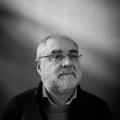
Alfons Cornellà
Fundador de Infonomia y del Institute of Next, empresas de servicios para repensar el futuro de las empresas y las organizaciones, con un enfoque especial en Innovación de modelos de negocio, con sede en Barcelona. Explora constantemente los ecosistemas de innovación internacionales. En la actualidad, además de trabajar en modelos y procesos de innovación, también se enfoca en la Curiosidad como ventaja competitiva de las organizaciones (curiosityatelier.com), y en la formación de profesionales Edgers que transforman las empresas. Ha escrito 42 libros, así como cientos de artículos breves sobre innovación, negocios y tecnología, desde la perspectiva de la transformación de las organizaciones. Sus últimos libros son “Cómo innovar sin ser Google”, un manual de innovación elaborado a partir de lo aprendido en 20 años de práctica profesional, “Educar humanos en un mundo de máquinas inteligentes”, una propuesta de ideas y reflexiones sobre la nueva educación que necesita nuestra sociedad, “Cómo comer cangrejo y no morir en el intento” (con Mònica Alonso) sobre la transformación de China en una potencia en innovación, y Curiosidad = felicidad y éxito. Es consultor de grandes empresas de España, y ha dirigido más de 120 proyectos innov
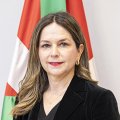
Itziar de la Peña Laustalet
Gobierno Vasco, Directora de Promoción del Tercer Sector Social y la Acción Comunitaria
Licenciada en Matemáticas por la EHU-UPV en la especialidad de análisis numérico. Comencé mi carrera profesional en el mundo de la tecnología, en el ámbito de las eléctricas, la logística y la administración pública, como consultora y responsable de proyectos con visión de proceso y evaluación. He continuado mi trayectoria en el área social en la Administración publica destacando mi participación en el Sistema Vasco de Garantía de Ingresos y en el Sistema Vasco de Servicios Sociales, siendo, además, miembro de la organización estadística vasca. Actualmente soy directora de Promoción del Tercer Sector Social y la Acción Comunitaria del Departamento de Bienestar, Juventud y Reto Demográfico, con responsabilidades en la promoción del tercer sector, el voluntariado, la acción comunitaria y el diálogo civil. Comprometida con el voluntariado y la acción comunitaria como motores de transformación social y como ejes estratégicos de las políticas públicas orientadas a fortalecer la cohesión social y el bienestar.
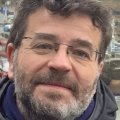
Eduardo Escobés
EDUARDO ESCOBÉS Más de treinta años de trabajo en y con entidades del Tercer Sector Social. Facilitador, consultor, formador de procesos de Desarrollo Organizacional y pensamiento estratégico en EDE Fundazioa. Posgrado en gestión y medición del impacto social de la Cátedra de Impacto Social de la Universidad Pontificia Comillas. Máster en consultoría y gestión de procesos de Desarrollo Organizacional, Máster en gestión y planificación en Recursos Humanos, MBA y Grado universitario en Trabajo Social. Actualmente doctorando en el programa de estudios sobre desarrollo de la EHU.
Johana Etxezarraga Aldamiz-Etxebarria
BizkaiaGara, Coordinadora
Johana is a professional specialized in European affairs, public policy, citizen activation, and community development. She currently coordinates BizkaiaGara, a platform aimed at promoting social participation, volunteering, and collaboration among citizens, organizations, & institutions in Bizkaia. Her career combines a strong legal background with an international and interdisciplinary perspective: she holds a degree in Law & Economics (University of Deusto and KU Leuven), has completed postgraduate studies at the University of the Basque Country (EHU), The London School of Economics and Political Science (LSE), and the University of Liverpool, and has developed professional experience in diverse environments, including Deloitte, academia, the European Commission, and EuroBasque. This path has enabled her to integrate institutional knowledge, strategic thinking, and the ability to build partnerships. Bridging Europe and the local sphere, the public and the social sectors, and technical reflection with transformative action. She works with an open and collaborative approach, focused on broadening the participation of new sectors & groups, with the aim of strengthening a more active, connected, innovative citizenship.

Mariel Gandara García
Investigadora y docente de la Facultad de Empresariales de la Universidad de Mondragón y Centro de Investigación MIK. Sus ámbitos de investigación son la Sostenibilidad y la Economía Circular. Fue beneficiaria del programa de ayudas para formación de personal investigador de la Universidad de Deusto, donde realizó su tesis doctoral en torno a la Institucionalización del Aprendizaje-Servicio. Trabajó en la Universidad de Monterrey como Coordinadora de Aprendizaje-Servicio y alrededor de 5 años en el campo de la Responsabilidad Social y Sostenibilidad en el sector financiero. Anterior a ello, laboró como abogada en temas de derecho ambiental y corporativo en empresa cementera y despachos mexicanos.
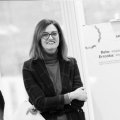
Eva Garcia Vicente
Eva García Vicente es directora de Urbegi Social Impact, consultora especializada en innovación social, desarrollo de ecosistemas colaborativos e impacto social. Cuenta con una amplia trayectoria acompañando a administraciones públicas, empresas, fundaciones y organizaciones sociales en el diseño y activación de iniciativas orientadas a la sostenibilidad, la cohesión territorial y la transformación social. A lo largo de su carrera ha liderado proyectos vinculados a gobernanza colaborativa, emprendimiento con impacto, desarrollo local, participación ciudadana y medición de impacto social, impulsando modelos de trabajo en red que conectan agentes diversos para generar soluciones sostenibles y de valor compartido. Su experiencia combina visión estratégica, facilitación de procesos colaborativos y dinamización de comunidades y ecosistemas de innovación, trabajando en proyectos desarrollados en Euskadi y en colaboración con redes estatales e internacionales. Participa habitualmente como ponente y facilitadora en encuentros sobre innovación social, impacto, sostenibilidad y colaboración multiactor. Destaca especialmente por su capacidad para traducir retos complejos en dinámicas de cooperación y acción transformadora.

Miren Gurrutxaga Sagarna
-
Miren Gurrutxaga Sagarna Azpeitia 1968 - Técnico Especialista en Marketing y Animadora Sociocultural Responsable desde 2002 de Gizalde la Agencia de Voluntariado de Gipuzkoa. Experiencia como voluntaria en distintos ámbitos.

Eugenio Ibarzabal Arambarri
Nacido en Donostia en 1951, estudió Ciencias Económicas en Bilbao, aunque pronto inició su trayectoria en el periodismo, coordinando la revista Muga. Entre 1977 y 1983 publicó varios libros de entrevistas y trabajó en prensa y radio. En 1983 dio el salto a la política, desempeñando durante cuatro años los cargos de Secretario General de la Presidencia y Portavoz del Gobierno Vasco. Posteriormente trabajó en televisión como director de El Otro Punto de Vista (ETB-2) y como editor jefe en TVE con el programa Punto y Aparte, galardonado con el Premio Ondas en 1989. Durante los siguientes veinticinco años desarrolló su labor como consultor independiente, facilitando más de 1.500 equipos de mejora en organizaciones diversas. De esta etapa surgen los libros Volver a empezar y Vivir. Desde 2011 se dedica a la escritura, con publicaciones de biografías, historia y un libro sobre la escucha, centrando su interés en el comportamiento humano. Colabora como voluntario, dirige grupos y ha asesorado a distintas ONG. Fue la primera persona certificada con la ISO 9001 a título personal por AENOR.

Amets Martinez de Heredita
Amets Martínez de Heredia Moreno (Gasteiz)activista marika. Desde 2019 es coordinador de Ikusgune, Observatorio Contra la LGTBI+fobia de Araba, una herramienta impulsada por Lumagorri Zisheterosexismoaren Aurkako Taldea para el registro de incidencias, la atención a personas afectadas y la incidencia institucional. Vinculado a Lumagorri desde 2011, ha desarrollado su trayectoria combinando el trabajo en la calle con la interlocución con instituciones públicas, contribuyendo a visibilizar la LGTBI+fobia. Su labor se enmarca en una perspectiva feminista e interseccional, poniendo el foco en cómo operan las discriminaciones en espacios cotidianos. Ha participado en la creación de redes comunitarias de apoyo y en procesos de sensibilización social orientados a la prevención y la transformación social, apostando por respuestas colectivas y sostenidas frente a las desigualdades estructurales. Más allá del abordaje de las violencias LGTBI+fóbicas, ha contribuido a la recuperación y difusión de la memoria y genealogía de los colectivos LGTBIQ+ en Gasteiz.

Manuel Merino Pastor
Manuel Merino Pastor. Licenciatura en Filosofía y en Ciencias de la Información. Master en Dirección de Empresas. Vida profesional vinculada a la docencia y a la promoción de servicios sociales en el ámbito del Tercer Sector. Director de Caritas Diocesana de Bilbao (1989-98). Presidente de Caritas Euskadi (1992-1997). Promotor y director de Fundación Aspaldiko de Portugalete (1998-2016). Presidente de Lares Euskadi -Asociación de Residencias de Mayores no lucrativas de Euskadi (2005-2017). Actualmente, Presidente del Consejo Foral de Mayores de Bizkaia.

Olatz Miranda Solano
HEZIKETA AKADEMIKOA 2008-2009: “Juventud y Sociedad” Graduondoko ikasketak, UNED, Madrid. 2009: Gizarte Hezkuntzan Diplomatua, Euskal Herriko Unibertsitatea, Donostia. 1997-1998: Goi Mailako Kultur Dinamizatzailea, Peñaflorida Institutoa, Donostia. HEZIKETA OSAGARRIA 2019: “Acompañamiento a la persona voluntaria”, Victor Arias (Sareginez). 2018: “Gestión del Voluntariado en nuestras entidades” Victor Arias (Sareginez). 2006: Haur eta Gazteen Astialdiko Zuzendari titulua, Hezkide Eskola, Donostia (Gipuzkoa). 2005: OIDP-ek antolatutako V Jardunaldietan parte hartzea. “Democracia participativa: aprendiendo a participar y construyendo ciudadanía”, Donostia. 2005: “Workshop Democracia participativa y desarrollo humano” – parte hartzea, Oñati. LAN ESPERIENTZIA 2014-2026: Aisialdia eta Parte Hartze Zerbitzuko teknikaria eta Boluntariotza Arduraduna, Atzegi, Gipuzkoa. Gaur egun lanean. 2010-2013: Hezkide Eskolako Astialdi Arloko Arduraduna, Hezkide Eskola, Donostia. 2010: Gaztematika-ko Mesanotxean buletinaren lanketa, Gipuzkoako Foru Aldundiarekin elkarlanean, Gipuzkoa. 2009: “Anuario de movimientos sociales, Juventud y Movimientos Sociales” urtekariaren lehen kapituluaren garapena (elkarlana), Euskal Autonomia Erkidegoa. 2002-2008: Eusk
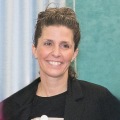
Ainara Pérez Ramirez
Sartu Álava
Educadora social en la asociación Sartu Álava con más de 20 años de experiencia en el acompañamiento a personas y colectivos, combinando la inclusión digital con el impulso de lo comunitario y la participación social. Su trabajo se centra en coordinar dos proyectos complementarios: en Saregune, donde trabaja la tecnología como herramienta para generar oportunidades, reducir brechas y fortalecer la implicación ciudadana en la transformación social; y en Batekin, donde impulsa el voluntariado y la acción comunitaria. Entiende la participación social como una pieza clave para construir sociedades más justas y cohesionadas, y coordina iniciativas que conectan ciudadanía, entidades y administraciones, fortaleciendo redes y promoviendo el voluntariado y la participación social como motor de cambio. Aporta una mirada diversa e inclusiva, apostando por un voluntariado más conectado, inclusivo y adaptado a los retos actuales, alineado con la sostenibilidad y la Agenda 2030, y capaz de generar impacto real en la vida de las personas y en el desarrollo de comunidades más fuertes.

Fernando Richter Iturregi
Fernando Richter es doctor en Sociología, especializado en ocio y desarrollo humano. En la actualidad es responsable de las áreas de Voluntariado y Desarrollo Territorial de Cruz Roja en Bizkaia. Su trayectoria combina la investigación académica y la gestión organizativa, con especial interés por la comprensión del voluntariado como experiencia significativa vinculada a la construcción de sentido personal y social. Los últimos años ha participado activamente en el Consejo Vasco de Voluntariado, y en el equipo de evaluadores del Modelo de Gestión Avanzada de Euskalit. Interesado en la innovación social y el avance de las organizaciones del tercer sector, explora enfoques transdisciplinares para repensar los modelos y el papel del voluntariado en contextos contemporáneos.

Ana Vilma Rodríguez Rojas
Doctoranda en Dirección Empresarial (UPV/EHU, en inglés). Máster en Dirección Empresarial desde la Innovación e Internacionalización (UPV/EHU, Premio Mejor Graduada). Licenciada en Economía (Premio Mejor Graduada Integral). Consultora Senior especializada en medición y gestión de impacto social, ESG y Teoría del Cambio, con amplia experiencia acompañando a entidades del Tercer Sector Social de Euskadi en transformación organizacional, ODS, políticas públicas, fondos europeos, innovación social y voluntariado como motor de transformación comunitaria y cohesión social. Auditora Calificada EDGE de Igualdad de Género, Agente de Igualdad homologada, Auditora Jefa ISO9001 e Interna ISO14001. Docente universitaria con trayectoria internacional (Cuba, España) e investigadora con publicaciones académicas nacionales e internacionales.
Maria Olarizu Ruiz de Escudero Sánchez
Eusko Jaurlartiza-Gobierno Vasco
She is a Social Affairs Officer at the Basque Government. Six years ago, she joined the Directorate of Social Services, where she has managed various projects related to social policy. Since 2025, she has been responsible for managing volunteering projects and has participated in the development of the Basque Volunteering Strategy 2025–2028. She is currently involved in its implementation, contributing to the promotion and strengthening of volunteering in the Basque Country.
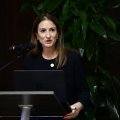
Estíbaliz Sáez de Cámara Oleaga
Universidad del Pais Vasco/Euskal Herriko Unibertsitatea (UPV/EHU)
PhD in Environmental Engineering and professor in the ‘Environmental Technologies’ area in the Department of Chemical Engineering of the Environment at Bilbao Engineering School (UPV/EHU). From 2017 to 2025 she was the Director of Sustainability and Social Commitment at the UPV / EHU. She is a member of the Academic Committee of the Master Circular Economy: Business Aplication. Furthermore, she is the president of the Spanish Network for Sustainable Development (REDS). Currently, she is Deputy Director of Quality, Sustainability, and Dual Education at Bilbao Engineering School (UPV/EHU)
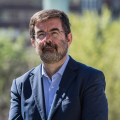
Dr Roberto San Salvador del Valle Doctor of Philosophy and Educational Sciences. Master’s degree in Leisure and Human Potential. Bachelor’s degree in Philosophy and Arts (History and Geography). Diploma in Archaeology. Professor at the Faculty of Social and Human Sciences, University of Deusto. Director of the Deusto Cities Lab Chair. Member of the Leisure, Culture and Tourism for Social Transformation Research Team (Team Cat-A-GV-IT 1882-26). Task Force Member of the UNIC Centre for City Futures. Member of: the Executive Committee of the Bilbao Civic Council, UN-Habitat UNI, the Basque Country Urban Agenda Working Group; and the Basque Country Agenda 2030 Steering Group. Former roles include: Scientific Director of the ESSI European School of Social Innovation; Director of the Institute for Leisure Studies (2000–2007); and Vice-Rector for Communication, Multilingualism and Social Innovation (2007–2015). Research interests include: cities, territories and communities; policies and governance; leisure, culture, tourism and sport. Lastest book: (2023) Teoría del edredón. Personas que transforman el mundo, sus ciudades, territorios y comunidades. Madrid: Libros de la Catarata, 443 págs. ISBN 978-86-1352-752-9 Lastest book edited: (20

Vinca Sanz Perez
Vinca Sanz Pérez has developed a professional career focused on the social sector, civic participation, and volunteering, with a strong commitment to social inclusion and community engagement. She holds a degree in Political Science from the University of the Basque Country (EHU) and postgraduate studies in Participation and Community Development, providing her with a solid understanding of collective processes and citizen participation. Volunteering has been a central element throughout her career, both in coordinating volunteer teams and promoting civic engagement as a tool for strengthening social cohesion. She currently serves as Volunteer, Internships and Social Participation Officer at the Spanish Commission for Refugee Aid (CEAR), where she coordinates volunteer initiatives, promotes civic participation, and supports reception and integration processes for refugees and asylum seekers. Through her work, she contributes to building a more inclusive, supportive, and participatory society.
Registration fees
| Face-to-face | Until 02-09-2026 |
|---|---|
| 0 EUR | |
| 0 EUR |
| Live online | Until 02-09-2026 |
|---|---|
| 0 EUR | |
| 0 EUR |
Venue
Miramar Palace
Pº de Miraconcha nº 48. Donostia / San Sebastián
Gipuzkoa
Miramar Palace
Pº de Miraconcha nº 48. Donostia / San Sebastián
Gipuzkoa
Other courses that might be of your interest...

-

Streaming
-

Face-to-face
-
Face-to-face

-
Face-to-face

-
Face-to-face

-
Face-to-face