

Gizarte Zerbitzuetan esku-hartze soziohezitzailea. Araudia eta unibertsitate eta profesionalen arteko elkarlana
Prozesu partekatu baten ekarpenak.
Description
Esku-hartze soziohezitzailearen prestazioari buruzko hausnarketa eta ekarpenak aurkezten dira, 185/2015 Dekretuak ezarritako Zerbitzu eta Prestazioen Zorroan jasotako zerbitzuetan, haren ezarpen prozesuan esku hartzen duten profesionalen arteko lankidetzatik eta arlo honi dagokionez unibertsitatearen eta elkargo profesionalaren artean eratutako batzordearen ibilbidetik abiatuta. Testuinguru marko bat eskaintzen da, Gizarte Zerbitzuen Legearen (12/2008) eta aipatutako Dekretuaren jatorria oinarri hartuta; bertan, lankidetza interinstituzionalaren prozesuan izandako zenbait mugarri esanguratsu, lan batzorde espezifiko baten sorrera eta egindako jarduerak azalduko dira, dagokion ekoizpen teknikoarekin batera.
Era berean, gizarte-hezitzaileek kudeatzen dituzten Zorroko zerbitzuak deskribatzen dira, eta bi lan-taldek egindako azterketa kritikoaren ondorioak aurkezten dira, Euskal Autonomia Erkidegoan batzordearentzat bereziki esanguratsuak diren bi zerbitzuri buruz (1.3 eta 2.2.3 zerbitzuak).
Oro har, akademiaren eta jardun profesionalaren arteko lankidetza nabarmentzea ere bada helburua, eta horren adibide garbi gisa aurkezten da lan batzorde honen eginkizuna, prozesu honetako ekintza nagusietako bat delarik.
Objectives
Profesionalen kolektiboaren eta unibertsitateko irakasleen arteko lankidetza-lanen emaitzak helaraztea, Gizarte Hezitzaileen Elkargo Profesionalak (GHEE-CEESPV) eta Euskadiko hezkuntza sozialeko gradua eskaintzen duten unibertsitateek (EHU–HEFA / Deustuko Unibertsitatea–Donostia) egindako ekarpen bateratuaren bidez.
Zorroko zerbitzuetan garatzen den esku-hartze soziohezitzaileari buruzko kontraste tekniko eta profesionaletik eratorritako hausnarketak eta ondorioak partekatzea, esku-hartze soziohezitzailean diharduten profesionalekin izandako elkarrizketan oinarrituta.
Esku-hartze soziohezitzaileak administrazio publikoen esparruan garatzen diren jardunetara hobeto egokitzea sustatzea, praktika eraginkorragoak eta koherenteagoak bultzatzeko.
Arlo akademikoaren inplikazioa indartzea alderdi teknikoetan, unibertsitateko prestakuntzaren eta jardun profesionalaren arteko lotura sendotzeko, eta irakaskuntza-edukiak jardunaren eguneroko behar eta eskakizunetara egokitzeko.
Activity directed to
- All public
- University student
- Students not from university
- Teachers
- Professionals
In collaboration with

Program
16-06-2026
Registration
Presentation by the Director of the activity
Ikastaroaren aurkezpena/Presentación del curso
- Asier Huegun Burgos | EHU. Hezkuntza, Filosofia eta Antropologia Fakultatea (HEFA) - IrakasleaLanguage: Basque
- Ainhoa Martín Blazquez | EAEko Gizarte Hezitzaileen Elkargoa - Gizarte HezitzaileaLanguage: Spanish
“Ley de Servicios Sociales y Decreto de Cartera: antecedentes, proceso participativo y su aprobación“
Language: Spanish
- Elena Ayarza Elorriaga | Ararteko - Haur eta Nerabeentzako Bulegoko Arduraduna
- Jesús Otaño Maiza | EAEko Gizarte Hezitzaileen Elkargoa - Aholkularia
Round table: “Unibertsitatearen eta Gizarte Hezkuntzaren elkargo profesionalaren arteko lankidetza Gizarte Hezkuntzan. Gizarte Zerbitzuetan Gizarte Hezkuntza garatzeko ekarpen teknikoak - El trabajo colaborativo entre la universidad y el colegio profesional en la Educación Social. Aportaciones técnicas para el desarrollo de la Educación Social en los Servicios Sociales.“
- Jesús Otaño Maiza | EAEko Gizarte Hezitzaileen Elkargoa - AholkulariaLanguage: Spanish
- Asier Huegun Burgos | EHU. HEFA - IrakasleaLanguage: Basque
- Ainhoa Martín Blazquez | EAEko Gizarte Hezitzaileen Elkargoa - Gizarte HezitzaileaLanguage: Spanish
Break
“Intervención socioeducativa en el ámbito local: proximidad, prevención, atención y protección. Aproximación crítica (servicio 1.3).“
Language: Spanish
- Gorka Tagle Garmendia | GazteLeku - Gizarte Hezitzailea
- Jesús Otaño Maiza | EAEko Gizarte Hezitzaileen Elkargoa - Aholkularia
Synthesis
Participative dynamics: “Esku-hartze soziohezitzailea prestazio teknikoa Zorroko zerbitzuetan. Haur eta nerabeentzako arreta-zerbitzuak, eta bazterketa-egoeran dauden helduak (ikusentzunezkoa)- La prestación técnica de intervención socioeducativa en los servicios de la Cartera. Servicios de atención a la infancia y adolescencia, y a personas adultas en situación de exclusión (audiovisual).“
Language: Basque
- Jon Mikel Luzarraga Martín | EHU. HEFA - Irakaslea
17-06-2026
Egunaren aurkezpena-Presentación del día
“ Identitate profesionala Gizarte Zerbitzuetan egiten den esku-hartze soziohezitzaileari begira“
Language: Basque
- Itsaso Arozena Arozena | EHU. HEFA - Irakaslea
- Asier Huegun Burgos | EHU. HEFA - Irakaslea
Round table: “Gizarteratzeko zailtasun larriak dituzten pertsonekin egiten den esku-hartze soziohezitzaileari buruzko gogoetak (2.2.3 zerbitzua)- Reflexiones sobre la intervención socioeducativa con personas con dificultades graves de inclusión (servicio 2.2.3)“
- Lierni Altuna Puldain | Grupo Peñascal - Gizarte HezitzaileaLanguage: Basque
- Mari Mar Jimenez Ramirez | Kalexka - Gizarte HezitzaileaLanguage: Spanish
- Ainhoa Martín Blazquez | EAEko Gizarte Hezitzaileen Elkargoa - Gizarte HezitzaileaLanguage: Spanish
- Asier Huegun Burgos | EHU. HEFA - IrakasleaLanguage: Basque
Break
“Zerbitzu eta Prestazioen Zorroaren Dekretuko zerbitzuen ebaluazioari buruzko oharrak - Apuntes sobre la evaluación de los servicios del Decreto de la Cartera de Servicios y Prestaciones“
- Raquel Sanz Álvarez | SIIS - Teknikaria SIIS – Eguía Careaga Fundazioaren Dokumentazio eta Ikerketa ZentroanLanguage: Spanish
- Ainhoa Martín Blazquez | EAEko Gizarte Hezitzaileen Elkargoa - Gizarte HezitzaileaLanguage: Basque
Closing session
- Ainhoa Martín Blazquez | EAEko Gizarte Hezitzaileen Elkargoa - Gizarte HezitzaileaLanguage: Spanish
- Asier Huegun Burgos | EHU. HEFA - IrakasleaLanguage: Basque
Directors
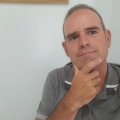
Asier Huegun Burgos
Euskal Heriko Unibertsitatea
He holds a PhD in Education Sciences and is a lecturer at the University of the Basque Country (EHU/UPV), where he teaches in the Social Education degree program; he also contributes to the Master’s in Research in the Socio-Educational Field. His academic work combines teaching with knowledge production, promoting a critical perspective within the field of social education. Throughout his professional career, he has accumulated more than ten years of experience working with children, adolescents, and adults. His work has mainly focused on sociocultural facilitation, where he has designed and implemented a range of projects. He is currently a member of the Social Services Committee.

Ainhoa Martín Blazquez
Gizarte hezitzaileen euskadiko elkargoa
(Born in Donostia, 1979) holds a degree in Social and Cultural Anthropology and a diploma in Social Education from the University of the Basque Country. She currently works as a technical advisor in the Hurbildu program within the social services system, specializing in children and adolescents, under the Department of Social Policies of the Provincial Council of Gipuzkoa. Previously, she worked as a technical advisor for municipal primary social services at the Gipuzkoa Compensatory Education Consortium; as an associate lecturer in the Social Education and Pedagogy degree programs at the Faculty of Education, Philosophy and Anthropology (UPV/EHU); as a technical coordinator of socio-educational intervention teams in Ordizia, Urretxu and Zumarraga; and as a social educator in the open environment and social inclusion intervention program in Beasain (Lorratz Elkartea). She was a member of the first governing board of CEESPV-GHEE and currently serves on its interuniversity and social services committees.
Speakers
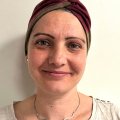
Lierni Altuna Puldain
After 15 years working directly as a social educator, I am currently part of the coordination team for the Provincial Council of Gipuzkoa (a provincial service providing specialized support, a day center, and regional assistance for people in situations of social exclusion) as well as the Abegi social care service of the Tolosa City Council, managed by Peñascal.
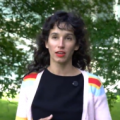
Itsaso Arozena Arozena
EHU
She holds a degree in Social Education and Pedagogy. She has a PhD in Education Sciences and is currently a lecturer at the University of the Basque Country (EHU/UPV), teaching in both the Social Education and Pedagogy degree programs. She teaches the course “Identity and Professional Development.” Her professional experience has mainly focused on working with adolescents for several years. Over the past three academic years, she has been the coordinator of the Pedagogy Practicum. In addition, she is involved in an innovation project aimed at improving the Practicum in the Social Education and Pedagogy degree programs.
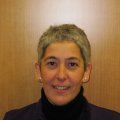
Elena Ayarza Elorriaga
ARARTEKO
She holds a degree in Psychology from the University of Deusto (1986) and a postgraduate qualification in Human Resources from INSIDE at the same university (2003). Over the course of more than 20 years, she has developed her professional career in socio-educational intervention, community development, and the labour inclusion of people in situations or at risk of social exclusion. During this time, she has combined direct intervention with management and consultancy roles, gaining solid experience in the design and implementation of social policies and programmes. Between 2008 and 2009, she served as Director of Social Welfare in the Basque Government. Since December 2010, she has been Head of the Office for Children and Adolescents at the Ararteko, where she promotes and defends the rights of children and adolescents.
Asier Huegun Burgos
Euskal Heriko Unibertsitatea
He holds a PhD in Education Sciences and is a lecturer at the University of the Basque Country (EHU/UPV), where he teaches in the Social Education degree program; he also contributes to the Master’s in Research in the Socio-Educational Field. His academic work combines teaching with knowledge production, promoting a critical perspective within the field of social education. Throughout his professional career, he has accumulated more than ten years of experience working with children, adolescents, and adults. His work has mainly focused on sociocultural facilitation, where he has designed and implemented a range of projects. He is currently a member of the Social Services Committee.
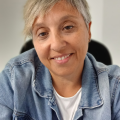
Mari Mar Jimenez Ramirez
KALEXKA ELKARTEA, RESPONABLE ENTIDAD/COORDINADORA TECNICA
Psychologist, social educator, and technical coordinator at Kalexka Elkartea. She currently works as a manager and coordinator of various services, at both municipal and provincial levels, in the field of social exclusion. Within the Provincial Council of Gipuzkoa, she coordinates the Social Inclusion and Support Service for Women Victims of Gender-Based Violence, which includes the Specialized Support Program (PAE), supported housing, and the Provincial Support Service (SEFAC). She also contributes to socio-educational intervention programs aimed at people at risk of social exclusion within primary social services in Eibar, Elgoibar, and Zarautz.
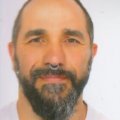
Jon Mikel Luzarraga Martín
Diploma in Social Education (UPV/EHU), Bachelor’s degree in Pedagogy and PhD in Education. He is currently a lecturer in the Department of School Organization at the University of the Basque Country (UPV/EHU), where he teaches Social Education and coordinates the internship program. He has extensive experience as an educator in various social fields, particularly working with adolescents, and is a member of the Social Services Committee.
Ainhoa Martín Blazquez
Gizarte hezitzaileen euskadiko elkargoa
(Born in Donostia, 1979) holds a degree in Social and Cultural Anthropology and a diploma in Social Education from the University of the Basque Country. She currently works as a technical advisor in the Hurbildu program within the social services system, specializing in children and adolescents, under the Department of Social Policies of the Provincial Council of Gipuzkoa. Previously, she worked as a technical advisor for municipal primary social services at the Gipuzkoa Compensatory Education Consortium; as an associate lecturer in the Social Education and Pedagogy degree programs at the Faculty of Education, Philosophy and Anthropology (UPV/EHU); as a technical coordinator of socio-educational intervention teams in Ordizia, Urretxu and Zumarraga; and as a social educator in the open environment and social inclusion intervention program in Beasain (Lorratz Elkartea). She was a member of the first governing board of CEESPV-GHEE and currently serves on its interuniversity and social services committees.
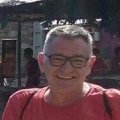
Jesús Otaño Maiza
(Born in Donostia, 1963) is a Social Educator who has worked in socio-educational intervention since 1987. His career has focused on direct practice with children, adolescents, adults, and families in vulnerable situations, as well as on training and technical advisory roles. He is currently a member of the Hurbildu program (Provincial Council of Gipuzkoa), providing technical support and training to primary social services teams, with the aim of strengthening local development, prevention, and socio-educational and psychosocial intervention. He is the author of works on socio-educational intervention, service planning, and social legislation. He has participated in conferences and seminars as a speaker and organizer. He is a member of professional associations of social educators, including GHEE-CEESPV and CGCEES, and serves on the Social Services Committee.
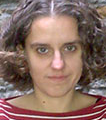
Raquel Sanz Álvarez
SIIS – Social Information and Research Service Born in 1977. She holds a degree in Political and Administrative Sciences (1999) and a degree in Sociology (2022) from the University of the Basque Country. She has also participated in the PhD Programme in “Government and Comparative Political Analysis” at UPV/EHU. Since 2005, she has worked as a sociologist at SIIS – Social Information and Research Service, where she has contributed to numerous research projects and planning documents in the field of social services in the Basque Country. Her most recent work includes providing technical assistance to the Basque Government in the preparation of the Second Strategic Plan for Social Services, as well as participating in the evaluation process of the Service and Benefits Portfolio of the Basque Social Services.

Gorka Tagle Garmendia
(Eibar, 1975) Social Educator with extensive experience in socio-educational intervention within municipal social services since 2001. His professional background has mainly focused on direct support to children and their families, working both as a street educator and a family educator in various municipalities across Gipuzkoa, in collaboration with Lorratz Elkartea, and in Bilbao with the organization GazteLeku. Throughout his career, he has also worked with young people in situations of exclusion or at risk, supporting them in educational processes aimed at personal development and the acquisition of autonomy. For more than ten years, he has been working in the Rekalde neighborhood of Bilbao, where he actively participates in programs for young people at risk of exclusion, such as the Hirikoi Program, as well as in family intervention through the Socio-Educational and Psychosocial Intervention Service (PISECO). In addition, he has been involved in various initiatives promoted by GHEE-CEESPV, and has been a registered member of this professional body since 2007, holding membership number 658.
Summary
Conclusions sent by the direction of the Summer Course
Sustainable development goals
Agenda 2030 is the new international development agenda approved in September 2015 by the United Nations. This agenda aims to be an instrument to favour sustainable human development all over the planet, and its main pillars are the eradication of poverty, a reduction in equality and vulnerability and fostering sustainability. It is a unique opportunity to transform the world up to 2030 and guarantee human rights for all.
1 - No poverty
Putting an end to poverty in all its forms, all over the world. Key issues: eradication of extreme poverty, reduction of poverty and vulnerability, social protection, access to basic services, fostering the resilience of poor and vulnerable people, development cooperation, solid legislative frameworks.
More information
3 - Good health and well-being
Guarantee a healthy life and foster the well-being of all people of all ages. Key issues: universal healthcare coverage, sexual and reproductive health, reduction in the number of road accident casualties, pollution and chemical products, reduction in maternal and neonatal mortality, the end of epidemics such as AIDS, combating hepatitis and other water-borne diseases, drug and alcohol prevention, control of tobacco.
More information
4 - Quality education
Guarantee quality education that is inclusive and equitable and foster opportunities for lifelong learning for everyone. Key issues: free-of-charge, equitable and quality education, access to higher education and training on an equal basis, education for sustainable development, suitable education centres for persons with disabilities, and safe, non-violent and efficient learning environments.
More information
5 - Gender equality
Achieve gender equality and empower all women and young girls. Key issues: the end of all forms of discrimination and violence, recognition of unpaid care and domestic work, shared responsibility, equal opportunities, full and effective participation in reproductive rights, equal rights vis-à-vis economic resources, access to land and other assets and ownership.
More information
8 - Decent work and economic growth
Foster sustained, inclusive and sustainable economic growth, full and productive employment and decent work for everyone. Key issues: decent work, full and productive employment, entrepreneurship, fostering micro-companies and SMEs, employment rights, safe working environments, youth employment, equal opportunities and pay, strengthening of financial institutions, and breaking the link between economic growth and the degradation of the environment.
More information
10 - Reduced inequalities
Reduce inequality in countries and between them. Key issues: promotion of the social, economic and political inclusion of all people, equal opportunities, fiscal, wage and social protection policies to favour equality, migration and the policies that affect it, official assistance for the development, regulation and supervision of world institutions and markets.
More information
11 - Sustainable cities and communities
Make cities and other human settlements inclusive, safe, resilient and sustainable. Key issues: access to suitable housing and basic services that are secure and affordable, suitable and sustainable transport systems, inclusive urban planning, participative planning and management, protection of cultural and natural heritage, air-quality, green zones, and connections between urban, peri-urban and rural areas.
More information
16 - Peace, justice and strong institutions
Foster peaceful and inclusive societies for sustainable development, facilitate access to justice for everyone and construct efficient and inclusive institutions that are accountable at all levels. Key issues: a reduction in violence, mistreatment and exploitation, the rule of law, equal access to justice, a reduction in corruption and bribery, efficient and transparent institutions, participation, access to information, protection of fundamental freedoms.
More information
17 - Partnerships for the goals
Strengthen the means of implementation and revitalise the World Alliance for Sustainable Development. Key issues: mobilisation of resources, 0.7% of GDP for official overseas development aid, finances, cooperation in technology and innovation, ecologically rational technologies, skills building, universal and multilateral trade system, coherence on the legislative and institutional levels, availability of data, supervision, indicators and accountability.
More information
Other courses that might be of your interest...

-

Face-to-face

-
Face-to-face

-
Face-to-face