

Narratiba eta osasuna: Nola sortu osasuna eraikitzen duten istorioak?
Narratibaren indarra ezagutu, praktika klinikoa zein osasun publikoa eraldatzeko, eta zaintzen dutenen eta zaintzak jasotzen dituztenen arteko harremana sakontzeko.
Description
This Summer Course proposes a journey to the heart of the stories that build health. Through narrative, it will explore how stories influence the way it is understood illness, as well as care and prevention. Over two days, it will combine theory and practice to discover narrative medicine, the ethics of storytelling, and the transformative power of reflective writing. With literature as an ally and active participation encouraged, it will learn to understand the stories wich are told, create more humane, empathetic, and emancipatory discourses, and become capable of improving communication between professionals, patients, and society.
This course is a living learning space where theory and practice interact to create meaningful experiences. It is believed that narrative is taught not only from the word, also from interaction and shared reflection. That is why the methodology wich is going to use is based on three pillars: active participation, thoughtful writing and interdisciplinary dialogue.
Each day will combine talks, dynamics and spaces for discussion and dialogue, so that questions and comments can be made to contrast ideas and experiences. The conferences will explain key concepts such as narrative medicine, storytelling ethics and the impact of stories on the fields of public health and qualitative research. Also literature as a source of stories, and the value of knowledge for clinical practice will be developed.
The center of the course will be thoughtful writing workshops where participants will explore their stories and learn to rewrite them from a humanist perspective. Simple, accessible and creative exercises will be proposed that invite introspection and group exchange.
Literature will also have its place: it will examine the fragments of works that illustrate the experience of surveillance and disease, to explain how fiction can help us understand reality.
In addition, horizontal participation will be encouraged, avoiding paternalistic speeches and promoting a climate of trust. Group dynamics and shared readings will allow each voice to find its own space, creating collective learning. In short, the main objective of the methodology is for each participant, in addition to acquiring knowledge, to experience an enriching experience, both for their professional and personal practice.
Objectives
Understand the importance of narrative in clinical practice, public health, and research.
Analyze how stories influence medical and social decisions.
Develop reflective writing skills to improve professional-patient communication.
Explore literature as a tool to understand the experience of care and illness.
Promote the creation of emancipatory and health-promoting discourses.
Activity directed to
- All public
- University student
- Professionals
In collaboration with
Program
23-06-2026
Registration
Presentation by the Director of the activity
Language: Basque
Aurkezpena: Narratiba eta osasuna: Nola sortu osasuna sortzen duten istorioak?
- Mikel Baza Bueno | Osakidetza - Famili eta komunitateen medikua-Médico de familia y comunidades
“La importancia de las historias y cómo influyen en la práctica clínica: Medicina narrativa y método clínico centrado en la persona “
Language: Spanish
- Mikel Baza Bueno | Osakidetza - Famili eta komunitateen medikua- Médico de familia y comunidades
“Narrativas en disputa en salud pública: desde la responsabilidad individual al cuidado colectivo. “
Language: Spanish
- Amaia Bacigalupe De la Hera | EHU - Profesora de Sociología
Break
Participative dynamics: “Las historias de nuestra salud“
Language: Spanish
- Mikel Baza Bueno | Osakidetza - Famili eta komunitateen medikua- Médico de familia y comunidades (Dinamizator)
- Iñaki Peña Bandrés | Osakidetza - Zaintza aringarrietako medikua (Dinamizator)
Break
“El silencio como parte de la narración“
Language: Spanish
- Mikel Baza Bueno | Osakidetza - Famili eta komunitateen medikua- Médico de familia y comunidades
Participative dynamics: “Dinámica participativa: Narrativas, identidad y poder en salud. “
Language: Spanish
- Amaia Bacigalupe De la Hera | EHU - Profesora de Sociología
- Yolanda González Rábago | EHU - Soziologia irakaslea- Profesora de Sociología
Synthesis
24-06-2026
“¿Cómo se construyen los saberes? Biomedicina, evidencias e investigación cualitativa“
Language: Spanish
- Yolanda González Rábago | EHU - Soziologia irakaslea- Profesora de Sociología
“Bizitza kontatzea amaierara arte: heriotza, dolua eta kontakizun bisualaren indarra“
Language: Basque
Simultaneous translation: Spanish
- Iñaki Peña Bandrés | Osakidetza - Zaintza aringarrietako medikua
Break
“ Kontatu eta existitu: narrazioa funtsezko beharrizan gisa.“
Language: Basque
Simultaneous translation: Spanish
- Katixa Agirre Miguelez | EHU - Komunikazio irakasle eta idazlea -Profesora de comunicación y escritora
Participative dynamics: “Taller práctico – Escribir y narrar para comprender la realidad que habitat-mos“
Language: Spanish
- Katixa Agirre Miguelez | EHU - Komunikazio irakasle eta idazlea -Profesora de comunicación y escritora
- Iñaki Peña Bandrés | Osakidetza - Zaintza aringarrietako medikua
Synthesis
Closing session
Language: Spanish
- Mikel Baza Bueno | Osakidetza - Médico de familia
Directors
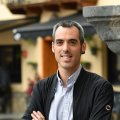
Mikel Baza Bueno
Osakidetza. Profesor asociado UPV-EHU
Nacido en Bilbao, donde he crecido y sigo viviendo. Me licencié en Medicina (EHU-UPV) y especialicé en Medicina Familiar y Comunitaria. En la actualidad trabajo como médico en Zeberio (Bizkaia), y soy el Jefe de la Unidad de Atención Primaria de Arrigorriaga (OSI Barrualde-Galdakao. Osakidetza). Profesor asociado en el grado de Medicina de la UPV-EHU. Colaborador del grupo de investigación OPIK y de Osatzen (http://www.osatzen.com/). No recibo información, formación ni remuneración por parte de la Industria Farmacéutica ni Alimentaria. Me considero defensor de la Atención Primaria y creo en una atención sanitaria respetuosa, centrada en las personas y no tanto en las enfermedades. Tengo un interés especial por las historias que se cuentan, que nos cuentan, como forma de compartir y generar conocimiento, investigación, docencia y promoción de la salud.
Speakers

Katixa Agirre Miguelez
UPV/EHU
Escritora y profesora de Comunicación Audiovisual en la EHU. Ha publicado dos libros de cuentos: Sua Falta Zaigu (Elkar, 2007) y Habitat (Elkar, 2009), y algunas historias para niños y jóvenes, destacando la saga de aventuras de Amaia Lapitz. En 2015, publicó su primera novela Atertu arte Itxaron (Los turistas desganados), traducida a varios idiomas europeos y merecedora del premio 111 Akademia que ofrecen los lectores. En 2018 vio la luz Amek ez dute (Las madres no), publicada ya en 12 idiomas y con adaptación al cine de mano de la cineasta Mar Coll. En 2022 vio la luz Berriz zentauro (De nuevo centauro), una ficción especulativa ambientada en un París del futuro. Ha participado en antologías de relato breve y ensayos sobre cine, y dirige y presenta el videopodcast de entrevistas culturales Eneagrama. Acaba de publicar su cuarta novela, Barne zerbitzuak, una historia de espías en la posguerra civil.

Amaia Bacigalupe De la Hera
EHU
Bachelor in Sociology (UPV/EHU), Master’s degree in Public and Social Policies (UPF) and PhD in Public Health (UAB). She is currently an Associate Professor (Profesor Titular de Universidad) in the Department of Sociology and Social Work at the UPV/EHU. She previously has worked in the Servicio de Estudios e Investigación Sanitaria of the Health Department of the Basque Government and in the Bizkaia Primary Care Research Unit of Osakidetza. Her main research lines focus on the study of the influence of social stratification and inequalities on health and health care, paying special attention to gender inequalities in health and gender biases in healthcare. She is the PI of the Social Determinants of Health and Demographic Change-OPIK research group. She is currently as well the director of the Department of Sociology and Social Work.
Mikel Baza Bueno
Osakidetza. Profesor asociado UPV-EHU
Nacido en Bilbao, donde he crecido y sigo viviendo. Me licencié en Medicina (EHU-UPV) y especialicé en Medicina Familiar y Comunitaria. En la actualidad trabajo como médico en Zeberio (Bizkaia), y soy el Jefe de la Unidad de Atención Primaria de Arrigorriaga (OSI Barrualde-Galdakao. Osakidetza). Profesor asociado en el grado de Medicina de la UPV-EHU. Colaborador del grupo de investigación OPIK y de Osatzen (http://www.osatzen.com/). No recibo información, formación ni remuneración por parte de la Industria Farmacéutica ni Alimentaria. Me considero defensor de la Atención Primaria y creo en una atención sanitaria respetuosa, centrada en las personas y no tanto en las enfermedades. Tengo un interés especial por las historias que se cuentan, que nos cuentan, como forma de compartir y generar conocimiento, investigación, docencia y promoción de la salud.
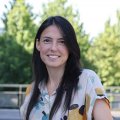
Yolanda González Rábago
EHU
Profesora Titular de Universidad en el Departamento de Sociología y Trabajo Social de la Universidad del País Vasco (UPV/EHU). Doctora en Sociología, Máster en Migraciones y Diploma en Salud Pública. Es miembro del Grupo de Investigación en Determinantes Sociales de la Salud y Cambio Demográfico-OPIK. Sus principales líneas de investigación se enmarcan dentro de la sociología de la salud, la epidemiología social y la salud pública, especialmente en el análisis de las desigualdades sociales en salud. En los últimos años, su principal línea de investigación ha sido el estudio del impacto de los procesos de racialización en las desigualdades en salud y en el acceso al sistema sanitario, así como acerca de las concepciones sobre la salud y los determinantes de la salud en las poblaciones no hegemónicas desde una metodología cualitativa y con enfoque interseccional.
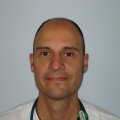
I began working in Palliative Care in 2010 at the Debagoiena Hospital (Arrasate-Mondragón). I worked in Home Hospitalization from 2012-2013 in Cruces and from 2014-2015 at the Goierri-Urola Garaia Hospital (Zumarraga). I was a member of the board of directors of Arinduz / the Basque Palliative Care Society. Within the international network of compassionate communities, I am a member of the initiative "Zarautz, Herri Zaintzailea". Screenwriter and director on the documentaries "Aulki Hutsak" ("Empty chairs") and "Mendian hil. Hirian hil" ("Dying on the mountain. Dying in the city") and on the play about grief and violence "S(u/a)minetik bakera" ("From bitter wrath to peace"). Master's degree in Palliative Care (UVic-ICO).
Registration fees
| Face-to-face | Until 23-06-2026 |
|---|---|
| 87,00 EUR | |
| 74,00 EUR | |
| 61,00 EUR | |
| 25,00 EUR | |
| 74,00 EUR | |
| 74,00 EUR | |
| 74,00 EUR | |
| 74,00 EUR | |
| 22,00 EUR |
Venue
Miramar Palace
Pº de Miraconcha nº 48. Donostia / San Sebastián
Gipuzkoa
Miramar Palace
Pº de Miraconcha nº 48. Donostia / San Sebastián
Gipuzkoa
Sustainable development goals
Agenda 2030 is the new international development agenda approved in September 2015 by the United Nations. This agenda aims to be an instrument to favour sustainable human development all over the planet, and its main pillars are the eradication of poverty, a reduction in equality and vulnerability and fostering sustainability. It is a unique opportunity to transform the world up to 2030 and guarantee human rights for all.
3 - Good health and well-being
Guarantee a healthy life and foster the well-being of all people of all ages. Key issues: universal healthcare coverage, sexual and reproductive health, reduction in the number of road accident casualties, pollution and chemical products, reduction in maternal and neonatal mortality, the end of epidemics such as AIDS, combating hepatitis and other water-borne diseases, drug and alcohol prevention, control of tobacco.
More information
4 - Quality education
Guarantee quality education that is inclusive and equitable and foster opportunities for lifelong learning for everyone. Key issues: free-of-charge, equitable and quality education, access to higher education and training on an equal basis, education for sustainable development, suitable education centres for persons with disabilities, and safe, non-violent and efficient learning environments.
More information
10 - Reduced inequalities
Reduce inequality in countries and between them. Key issues: promotion of the social, economic and political inclusion of all people, equal opportunities, fiscal, wage and social protection policies to favour equality, migration and the policies that affect it, official assistance for the development, regulation and supervision of world institutions and markets.
More information
Other courses that might be of your interest...

-

Face-to-face

-
Face-to-face

-
Face-to-face

-
Face-to-face

-
Face-to-face