

Sinesmen dibertsitatea eta komunitatearen ehuntzea Euskal Herrian
Description
The conference will reflect on the profound transformation that has taken place in the Basque religious and spiritual panorama in recent centuries. In order to understand this transformation, the basic concepts of religious phenomenology will be defined, the religious flow in the near and present past will be studied, the keys to dialogue between religious traditions will be presented and some voices will be collected from different trajectories that have shown their attachment to religion. With all this, we will reflect on the historical decline of the influence of Catholicism, the accelerated process of secularization and the growing diversity promoted by migration, proposing ways to enhance social cohesion and intercultural dialogue, enriching coexistence in a Basque society with diverse beliefs.
The conference is motivated by the Belief Diversity and Community Building. Interreligious Dialogue and Social Cohesion project developed by Eusko Ikaskuntza. This initiative, therefore, aims to disseminate the knowledge generated by the project, as well as to create and stabilize networks and open and train the general public in this area of our society.
Objectives
To place spiritual practices (traditional and contemporary) in a context of cultural diversity.
To identify the sources of values that promote mutual understanding and social cohesion and the keys to creating a space for intercultural enrichment.
To collect testimonies of shared experiences to strengthen the community and to promote coexistence among different religious traditions.
To understand the religious flow of Euskal Herria together with its historical events of the last centuries.
Activity directed to
- All public
- University student
- Students not from university
- Teachers
- Professionals
Organised by

Program
17-07-2026
Erregistroa eta akreditazioa
Institutional Opening session. Speaking order:
Language: Basque
- Jaione Irureta Plazaola | Eusko Ikaskuntza - Lehendakaria
- Iosu Arraiz Aramburu | Gipuzkoako Foru Aldundia - Administrazioaren Berrikuntzako zuzendaria
Presentation by the Director of the activity
Language: Basque
- Jon Mentxakatorre Odriozola | Mondragon Unibertsitatea - Jardueraren zuzendaria
“Erlijio fenomenologia eta dibertsitatearen oinarriak, kontzeptuak, datuak“
Language: Basque
- Jon Sarasua Maritxalar | Mondragon Unibertsitatea - Irakasle-ikerlaria
Break
“Euskal Herriko erlijio emaria eta sekularizazioa XX-XXI. mendeetan“
Language: Basque
- Jon Mentxakatorre Odriozola | Mondragon Unibertsitatea - Irakasle-ikerlaria
“Balio partekatuak eta elkar-aberastasuna tradizioen artean: lorpenak, aukerak eta erronkak“
Language: Basque
- Txema Ezkerra | Eusko Jaurlaritza - Aniztasun, Bizikidetza eta Belaunaldiarteko Elkartasunaren zuzendaria
Round table: “Erlijio bizipen eta hautua: gazteen ibilbidearen berri“
Language: Spanish
- Jon Sarasua Maritxalar | Mondragon Unibertsitatea - Irakasle-ikerlaria (Moderator)
- Simon Lopez Artetxe | - - -
- Salima Ahmiduch El Haddouti | - - -
Closing session
Language: Basque
- Jon Mentxakatorre Odriozola | Mondragon Unibertsitatea - Jardueraren zuzendaria
Directors
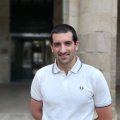
Jon Mentxakatorre Odriozola
Eusko Ikaskuntza
Jon Mentxakatorre Odriozola es Graduado en Humanidades (Deustuko Unibertsitatea) y Doctor en Filosofía (Universidad Autónoma de Madrid) y en Filología (Euskal Herriko Unibertsitatea). Es profesor e investigador en Mondragon Unibertsitatea sobre temas de la sociedad actual y de pensamiento vasco. Es responsable del Departamento de Filosofía en la UEU.
Speakers

Salima Ahmiduch El Haddouti
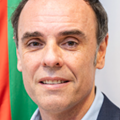
Txema Ezkerra
Txema Ezkerra Eusko Jaurlaritzako Ongizate, Gazteria eta Erronka Demografikoaren saileko Aniztasun, Bizikidetza eta Belaunaldiarteko Elkartasunaren zuzendaria da. Psikopedagogian lizentziatua, Gizarte Hezkuntzan diplomatua eta Giza Baliabidetan masterra da.

Simon Lopez Artetxe
Simon Lopez Artetxe Tolosan (Gipuzkoa) jaio zen 1994an. Legelaria da ikasketaz.
Jon Mentxakatorre Odriozola
Eusko Ikaskuntza
Jon Mentxakatorre Odriozola es Graduado en Humanidades (Deustuko Unibertsitatea) y Doctor en Filosofía (Universidad Autónoma de Madrid) y en Filología (Euskal Herriko Unibertsitatea). Es profesor e investigador en Mondragon Unibertsitatea sobre temas de la sociedad actual y de pensamiento vasco. Es responsable del Departamento de Filosofía en la UEU.
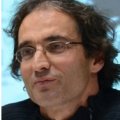
Jon Sarasua Maritxalar
Garabide elkartea. Huhezi fakultatea, irakaslea eta kulturgilea
Komunikazio Zientzietan Doktorea da. Kazetaritza eta Soziologia ikasketetan ibilia. Bertsolaritzaren munduan oso gazte hasi zen eta urte askotan bertsolari gisa aritu ondoren, 2000 urtean utzi zion bertsolaritza publikoari. Mondragon Unibertsitatean aritu da hogei urtez, arlo sozioekonomikoan eta kultura arloan. Herrigintzako hainbat alorretan taldeak sustatzen jardun du, Lanki, Garabide, Sorguneak eta Bagara bezalako egitasmoen sorreran. Autoeraketa, gizarte ekonomia eta hizkuntza arloak landu ditu egitasmo horietan, eta berauei lotutako nazioarteko zubiak. Hainbat liburu eta argitalpen egina da hizkuntza nahiz kultura arloan eta gai sozio-ekonomikoetan. http://bdb.bertsozale.eus/web/haitzondo/view/jon-sarasua
Registration fees
| Face-to-face | Until 17-07-2026 |
|---|---|
| 48,00 EUR | |
| 41,00 EUR | |
| 34,00 EUR | |
| 25,00 EUR | |
| 41,00 EUR | |
| 41,00 EUR | |
| 41,00 EUR | |
| 41,00 EUR |
| Live online | Until 17-07-2026 |
|---|---|
| 48,00 EUR | |
| 41,00 EUR | |
| 34,00 EUR | |
| 25,00 EUR | |
| 41,00 EUR | |
| 41,00 EUR | |
| 41,00 EUR | |
| 41,00 EUR |
Venue
Miramar Palace
Pº de Miraconcha nº 48. Donostia / San Sebastián
Gipuzkoa
Miramar Palace
Pº de Miraconcha nº 48. Donostia / San Sebastián
Gipuzkoa
Sustainable development goals
Agenda 2030 is the new international development agenda approved in September 2015 by the United Nations. This agenda aims to be an instrument to favour sustainable human development all over the planet, and its main pillars are the eradication of poverty, a reduction in equality and vulnerability and fostering sustainability. It is a unique opportunity to transform the world up to 2030 and guarantee human rights for all.
4 - Quality education
Guarantee quality education that is inclusive and equitable and foster opportunities for lifelong learning for everyone. Key issues: free-of-charge, equitable and quality education, access to higher education and training on an equal basis, education for sustainable development, suitable education centres for persons with disabilities, and safe, non-violent and efficient learning environments.
More information
5 - Gender equality
Achieve gender equality and empower all women and young girls. Key issues: the end of all forms of discrimination and violence, recognition of unpaid care and domestic work, shared responsibility, equal opportunities, full and effective participation in reproductive rights, equal rights vis-à-vis economic resources, access to land and other assets and ownership.
More information
10 - Reduced inequalities
Reduce inequality in countries and between them. Key issues: promotion of the social, economic and political inclusion of all people, equal opportunities, fiscal, wage and social protection policies to favour equality, migration and the policies that affect it, official assistance for the development, regulation and supervision of world institutions and markets.
More information
11 - Sustainable cities and communities
Make cities and other human settlements inclusive, safe, resilient and sustainable. Key issues: access to suitable housing and basic services that are secure and affordable, suitable and sustainable transport systems, inclusive urban planning, participative planning and management, protection of cultural and natural heritage, air-quality, green zones, and connections between urban, peri-urban and rural areas.
More information
16 - Peace, justice and strong institutions
Foster peaceful and inclusive societies for sustainable development, facilitate access to justice for everyone and construct efficient and inclusive institutions that are accountable at all levels. Key issues: a reduction in violence, mistreatment and exploitation, the rule of law, equal access to justice, a reduction in corruption and bribery, efficient and transparent institutions, participation, access to information, protection of fundamental freedoms.
More information
17 - Partnerships for the goals
Strengthen the means of implementation and revitalise the World Alliance for Sustainable Development. Key issues: mobilisation of resources, 0.7% of GDP for official overseas development aid, finances, cooperation in technology and innovation, ecologically rational technologies, skills building, universal and multilateral trade system, coherence on the legislative and institutional levels, availability of data, supervision, indicators and accountability.
More information
Other courses that might be of your interest...

-

Face-to-face

-
Face-to-face

-
Face-to-face